
Gaudi, Tapas, and Poop
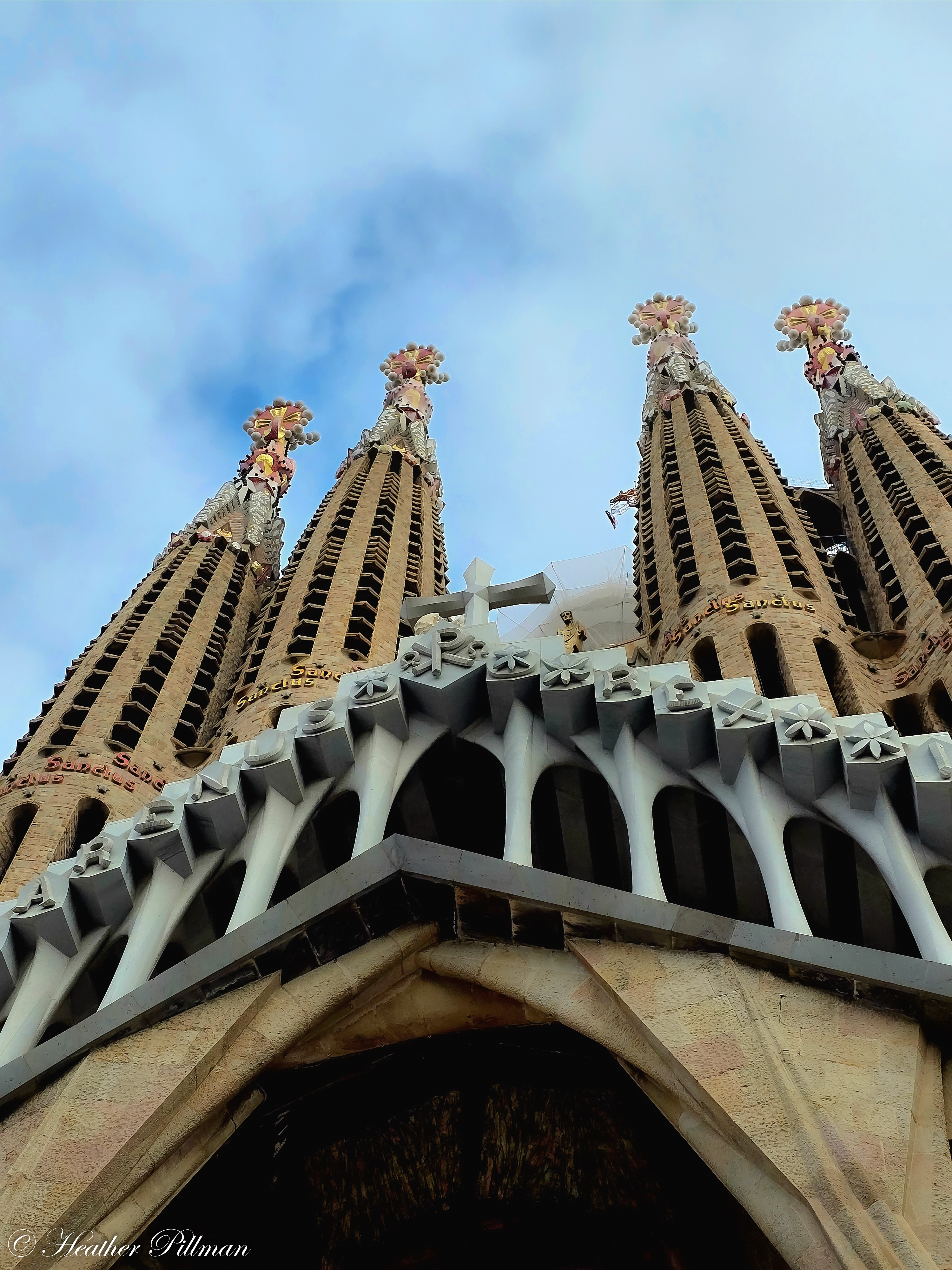
Barcelona, Catalonia’s capitol city, packs in a lot of wonderful things around the holidays: the Nativity Facade at La Sagrada Familia, the beautifully decorated streets, the delectable food, and tales of Christmas poop. Keep reading, I promise I’ll get there.
This was my first trip to Spain. An early attempt to get to Spain was thwarted when I had, let’s say a “falling out” with a travel companion. Like a lot of my trips, Barcelona wasn’t my planned destination for November/December 2024 either. I was supposed to be in Jordan with a friend, but with all that’s happening in that part of the world… we decided to find an alternate location for a quick trip. And it was quick. A long, Thanksgiving weekend was the perfect time for me to get a footprint in Spain.
I booked a flight. I was set to leave Thanksgiving day and to arrive mid-day on Friday, November 29th. I’d been saving points, both Hilton and credit card, all year long, so I booked a room at the Alexandra Barcelona Hilton in the Eixample neighborhood in Barcelona and upgraded my seats. Decided upon a mix of activity and downtime, we booked a few tours and left the rest of our time open to wander the city.
In the midst of booking tours, I learned that my original flight from Philadelphia to Barcelona was canceled. American rebooked me with a partner airline, Iberia Air – now Level Airlines. I was now set to arrive mid-day on the 29th, several hours later than expected, but what can you do? (Answer: buy travel insurance and carry on).
My travel to Barcelona was uneventful. My friend, C, had a delay from her town that nearly caused her to miss a flight, but with a little luck and a lot of running, she made it. Level Airlines is a bargain airline company and I found myself disappointed that I wouldn’t get my upgraded pod, but all in all, the plane was clean, premium economy seats were fine, and the crew was really great.
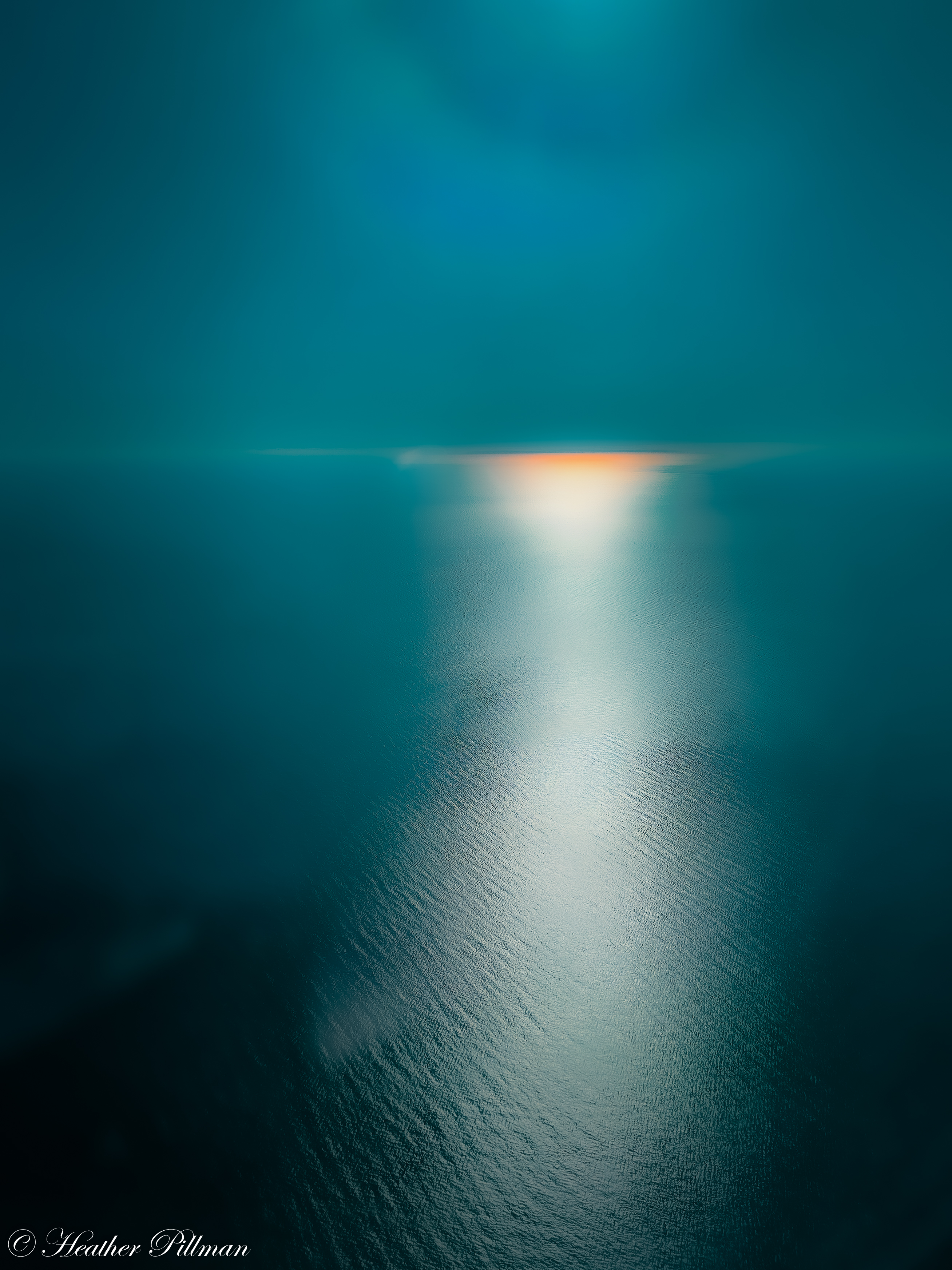
I arrived in Barcelona, jet lagged, as always, and found a cab to take me to the hotel. (There are taxis all over Barcelona to hail and we also found that Cabify worked really well. Cabify was sort of a cross between a taxi and an Uber.) The hotel was really great with a restaurant & bar, nice lobby, comfortable rooms with a shower in the bathroom that was big enough to turn around in – a real luxury in a European hotel room!
Here’s a life changing travel tip: If you can afford it, book your hotel for the night prior to your arrival on a red-eye to Europe so that you can check in immediately after arriving. Sometimes I really need to sleep because of the jet lag. I know they tell you to keep yourself up until bedtime to adjust to the local time. I think that’s bs. If you need to sleep, set an alarm and sleep a couple of hours.
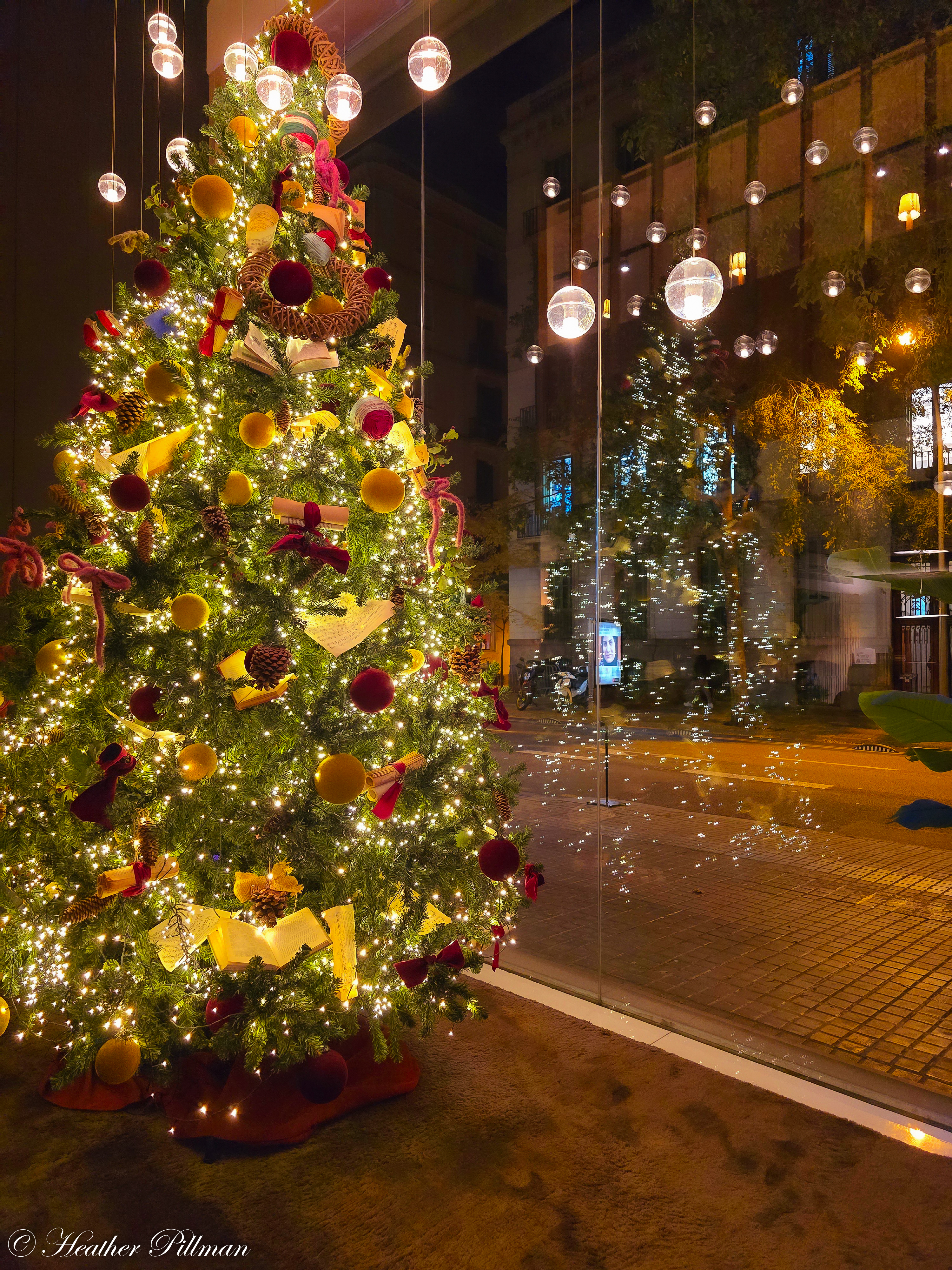
I got checked into our beautiful hotel, took a life changing shower, and set off on foot to meet my friend. Almost immediately, I took a wrong turn and was lost. If you know me, this is SO ME. Texts between me and my friend were slow and arriving out of order. After restarting my phone, finding my way back to the main street, my friend and I eventually found each other on a plaza off La Rambla.
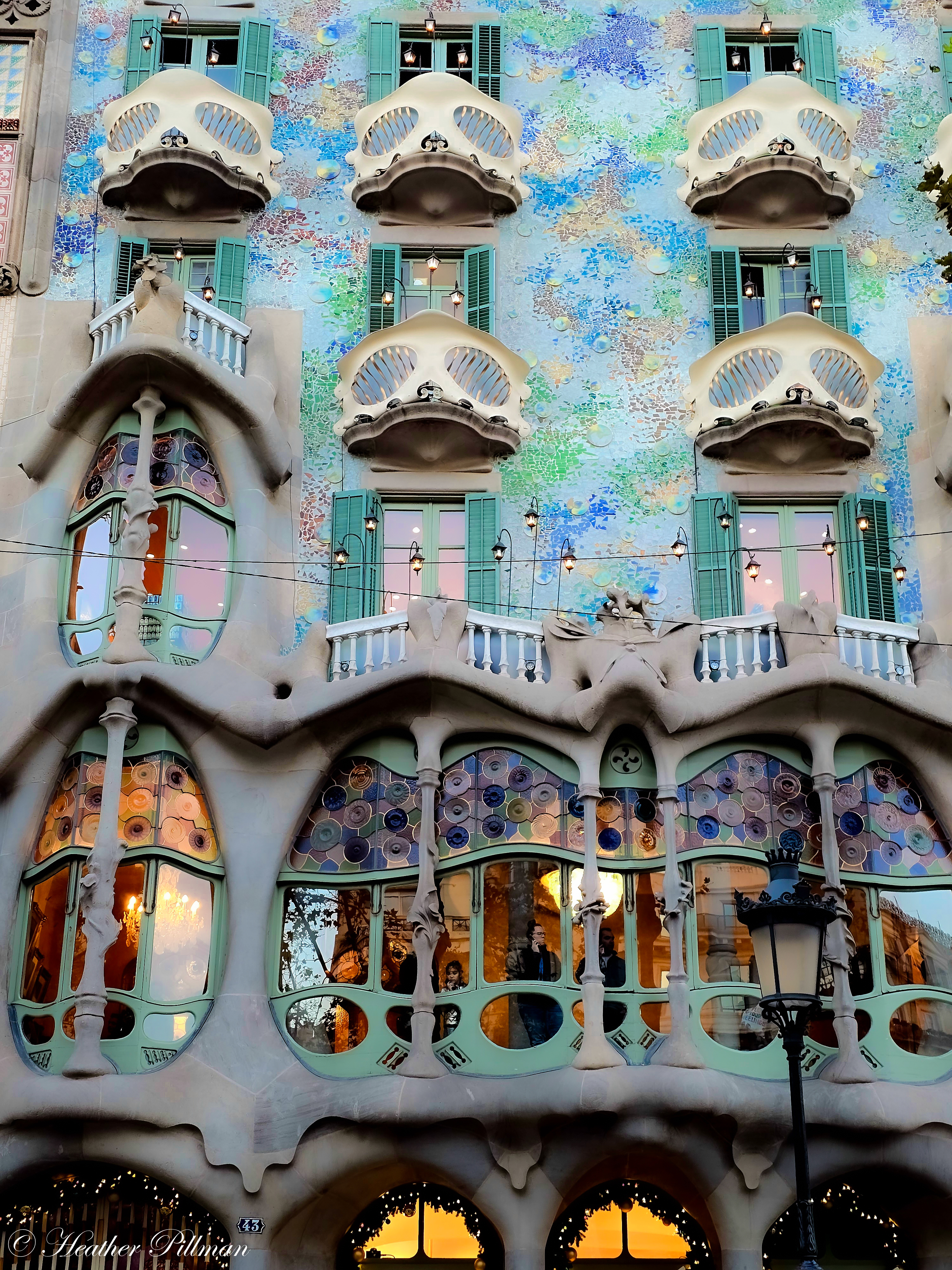
Upon first impression, Barcelona seemed to be a lively and crowded city. Our hotel’s location could explain that. Eixample is a newer, trendier part of the city. Our hotel sat about a block off La Rambla, the main shopping street in the city (think Champs Elysées). Every luxury brand you could think of was a stone’s throw from our hotel and the pedestrians were out in force holiday shopping. Two of Gaudí’s houses also sit on La Rambla. As our trip progressed, we started using the houses and stores as landmarks. “Walk up the hill from Casa Batlló and turn left at Rolex.”
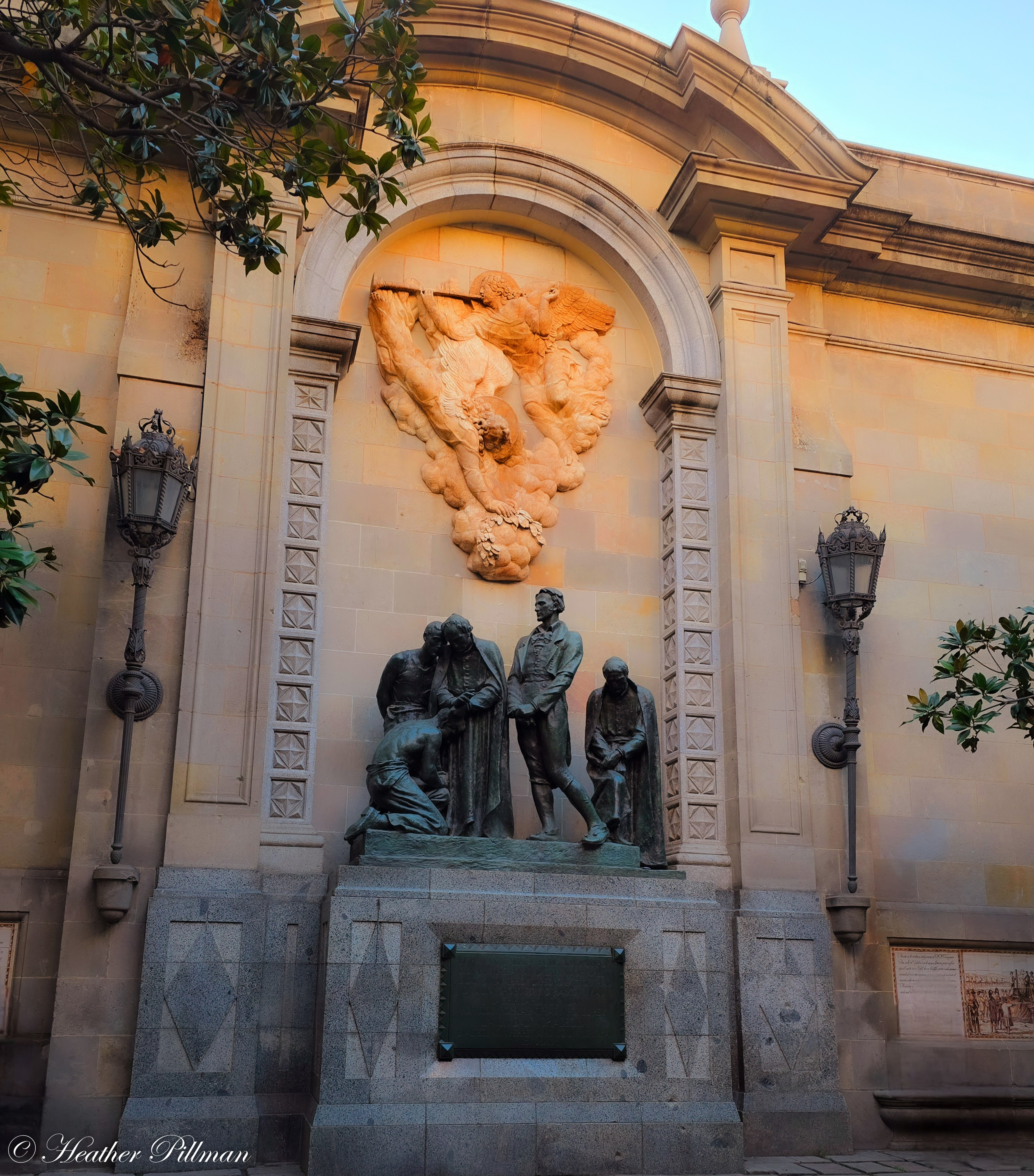
By the time I found C, she’d already made sense of La Rambla, oriented herself in the Gothic Quarter, and eaten a weird street hot dog.
Late November/early December is not peak tourist season in Barcelona but it was still very crowded. With more people traveling, I don’t know that there is truly an off season, but the streets were definitely calmer than summertime. We’d read about the citizens of Barcelona being fed up with tourists, refusing to seat them at restaurants, squirting them with water guns, etc. We had no such trouble.
1. I found the people of Barcelona to be lovely and friendly. We often got an enthusiastic “¡Vale!” when answering the question of where we were from. 2. The biggest problem in Barcelona and other tourist areas around the world, the US included, is that people are buying up homes to rent to tourists. The influx of AirBnB drives up the prices of homes making it difficult for locals to afford a place to live. This is a disturbing trend and I understand the frustration. 3. I always say this, but it’s true. There is a difference between being a tourist and a traveler. If you are traveling to experience life and culture and to meet people and experience different ways of life, you are going to have a much better time than if you are flying across the pond to take 1,000 selfies at the most Instagrammable spots. There’s nothing wrong with snapping your photo at beautiful places, but there is something wrong when all you want to do is take your own photo over and over again without any awareness of things happening around you.
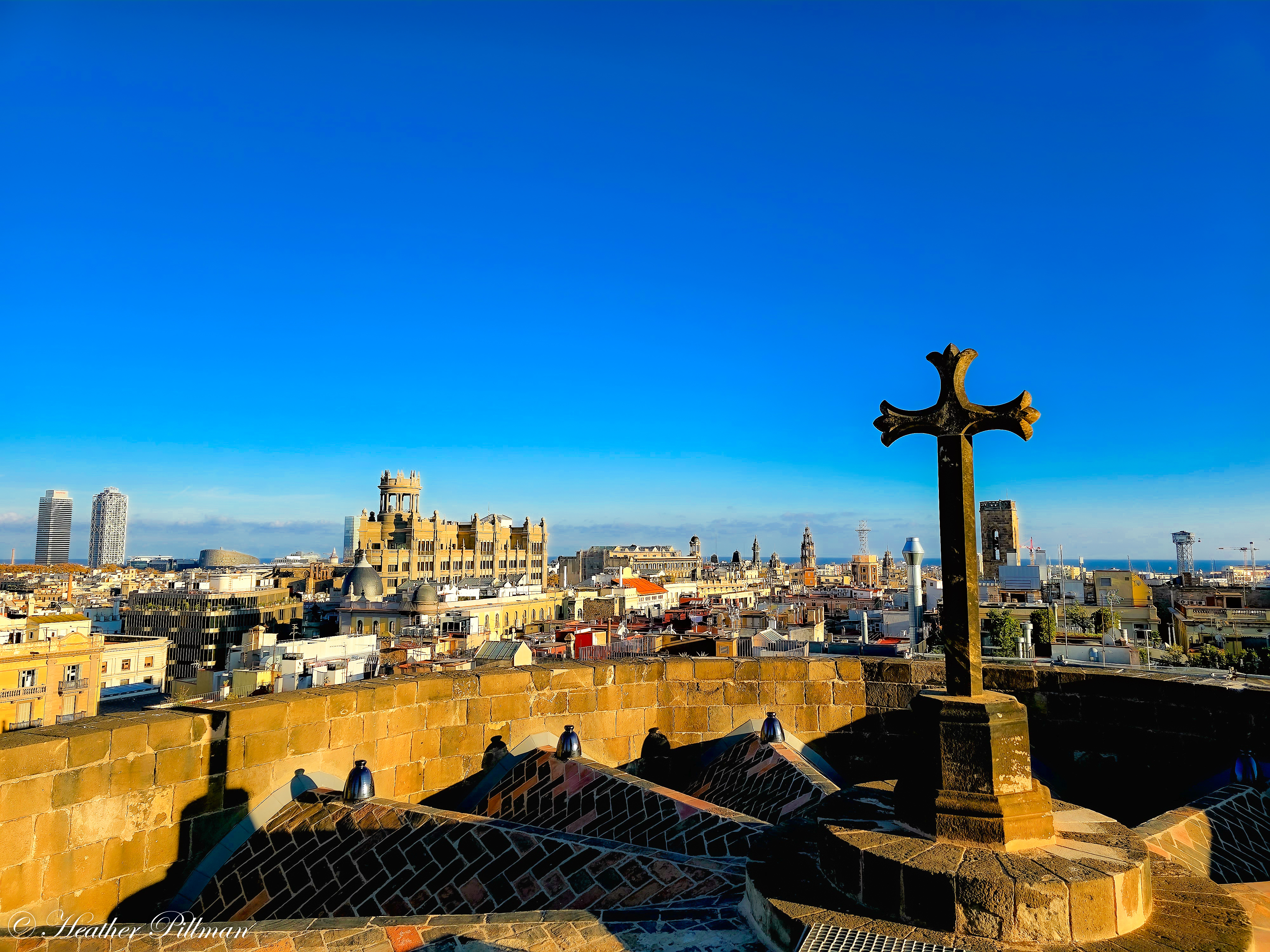
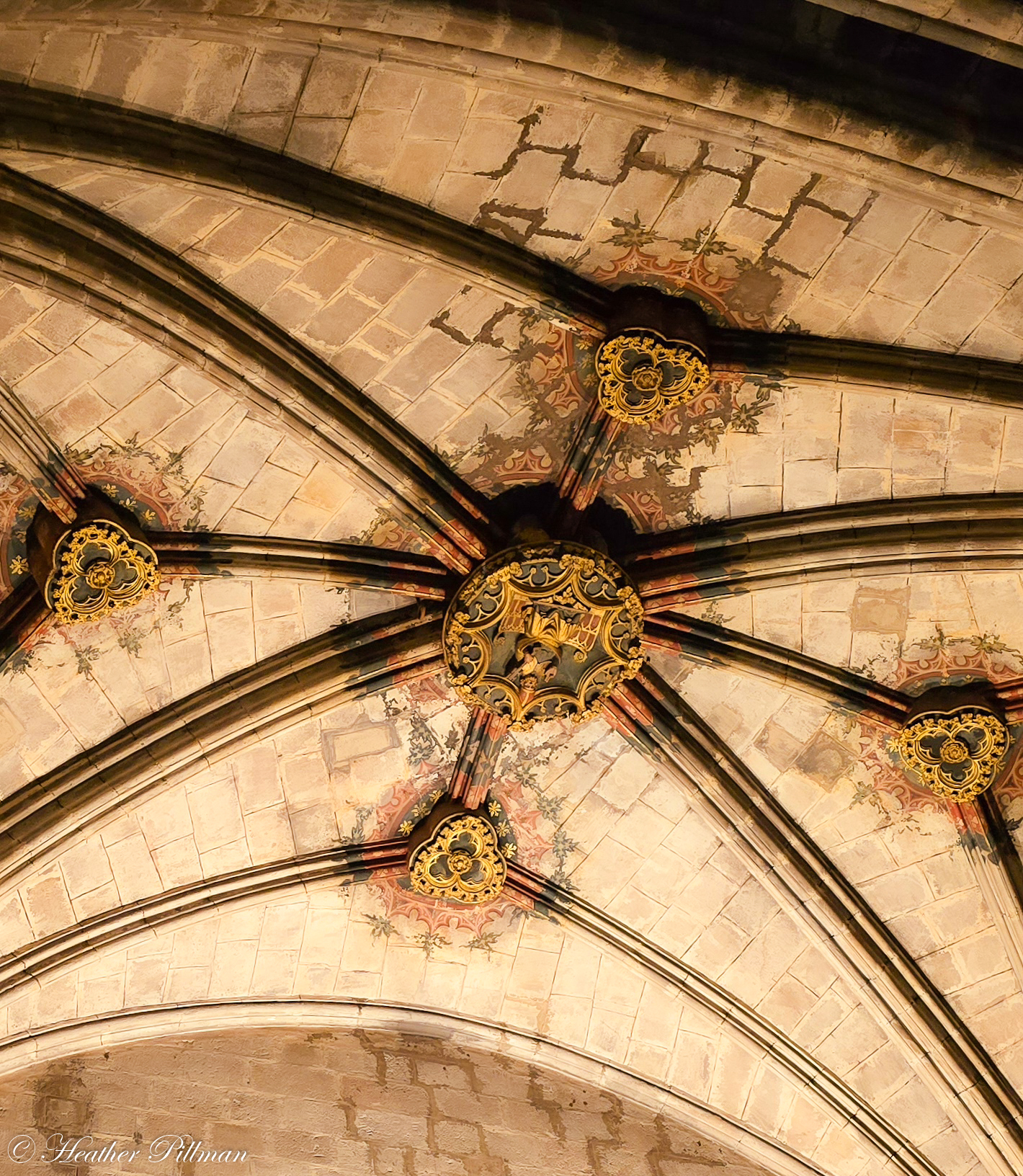
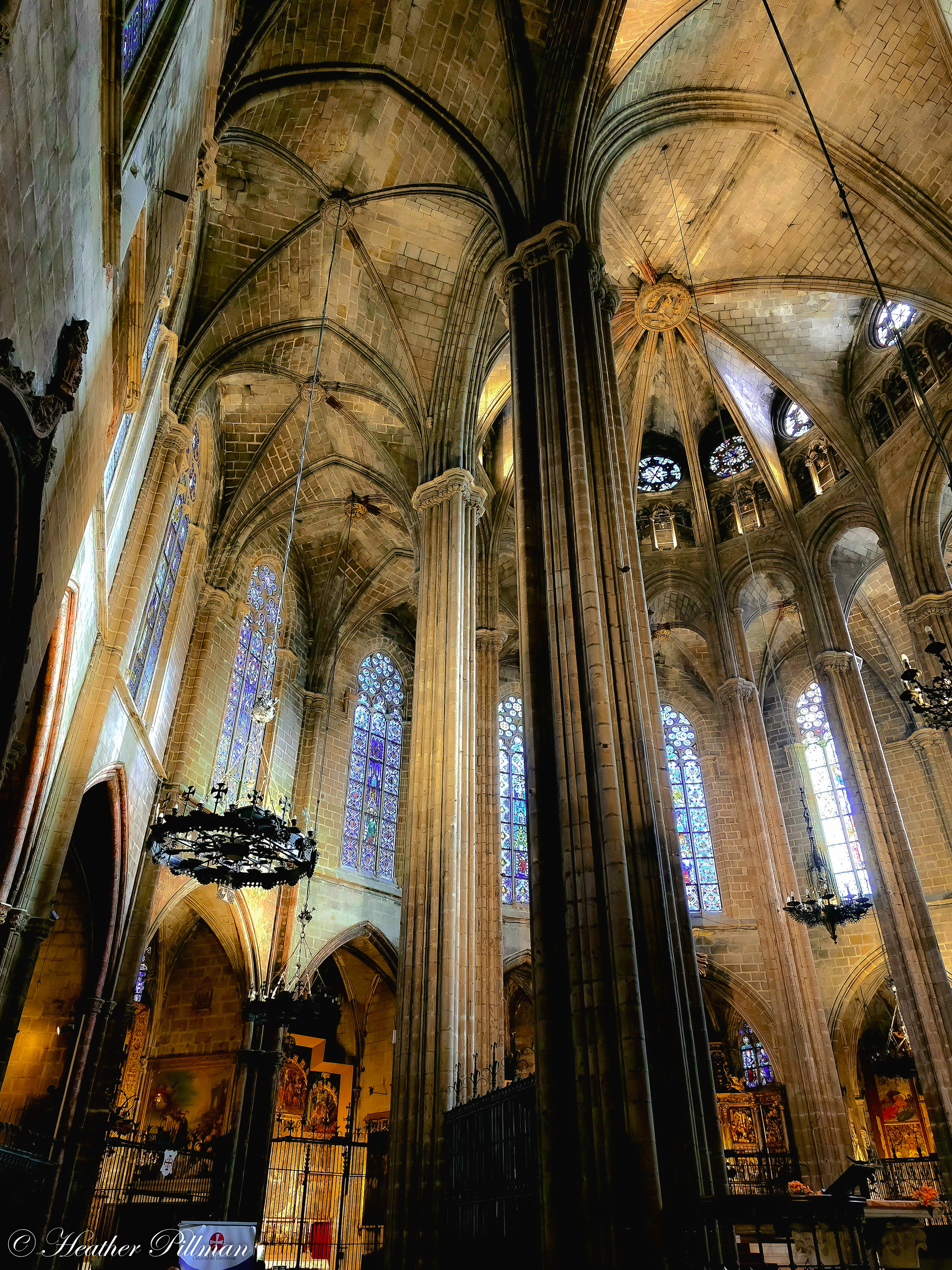
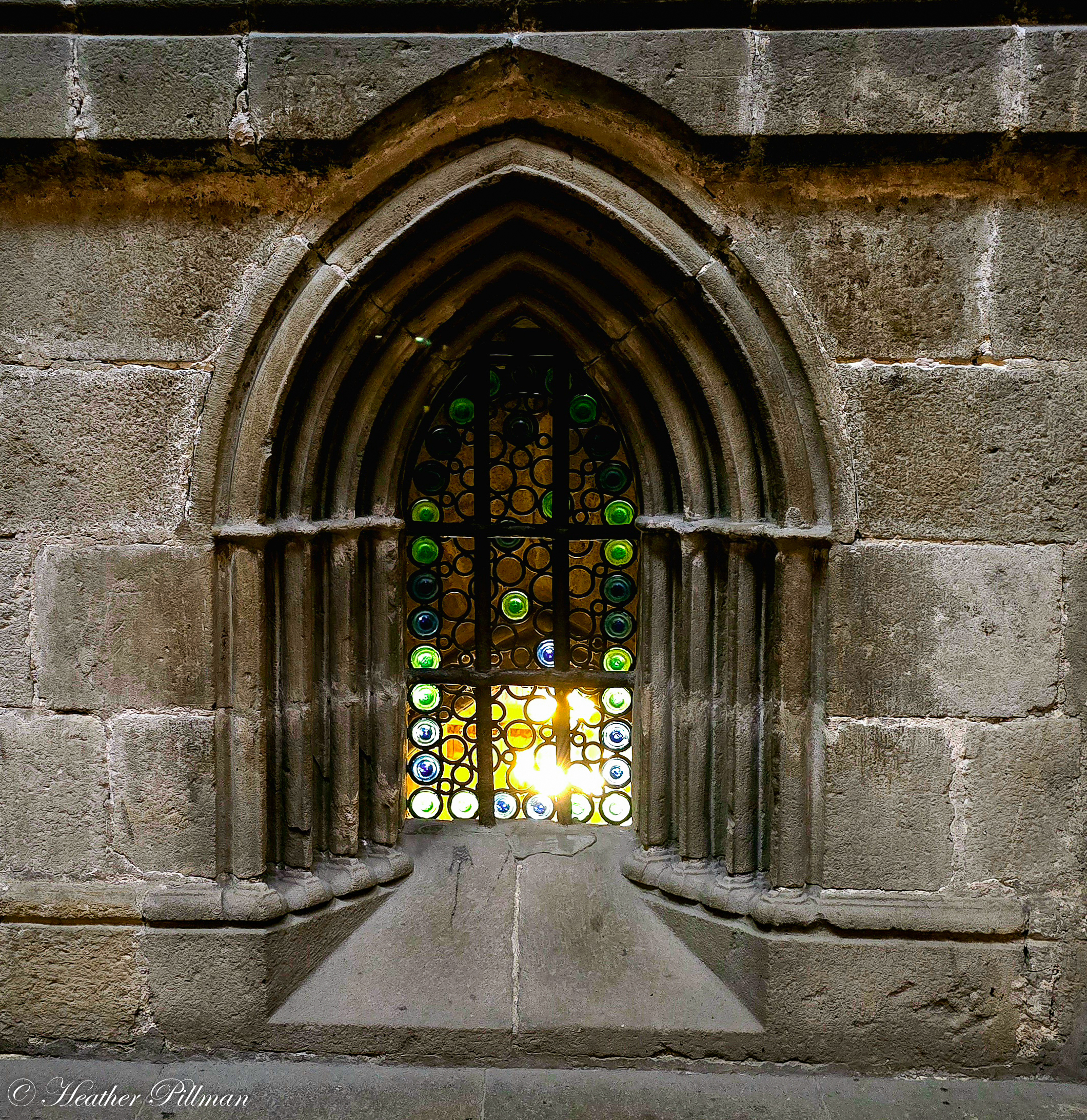
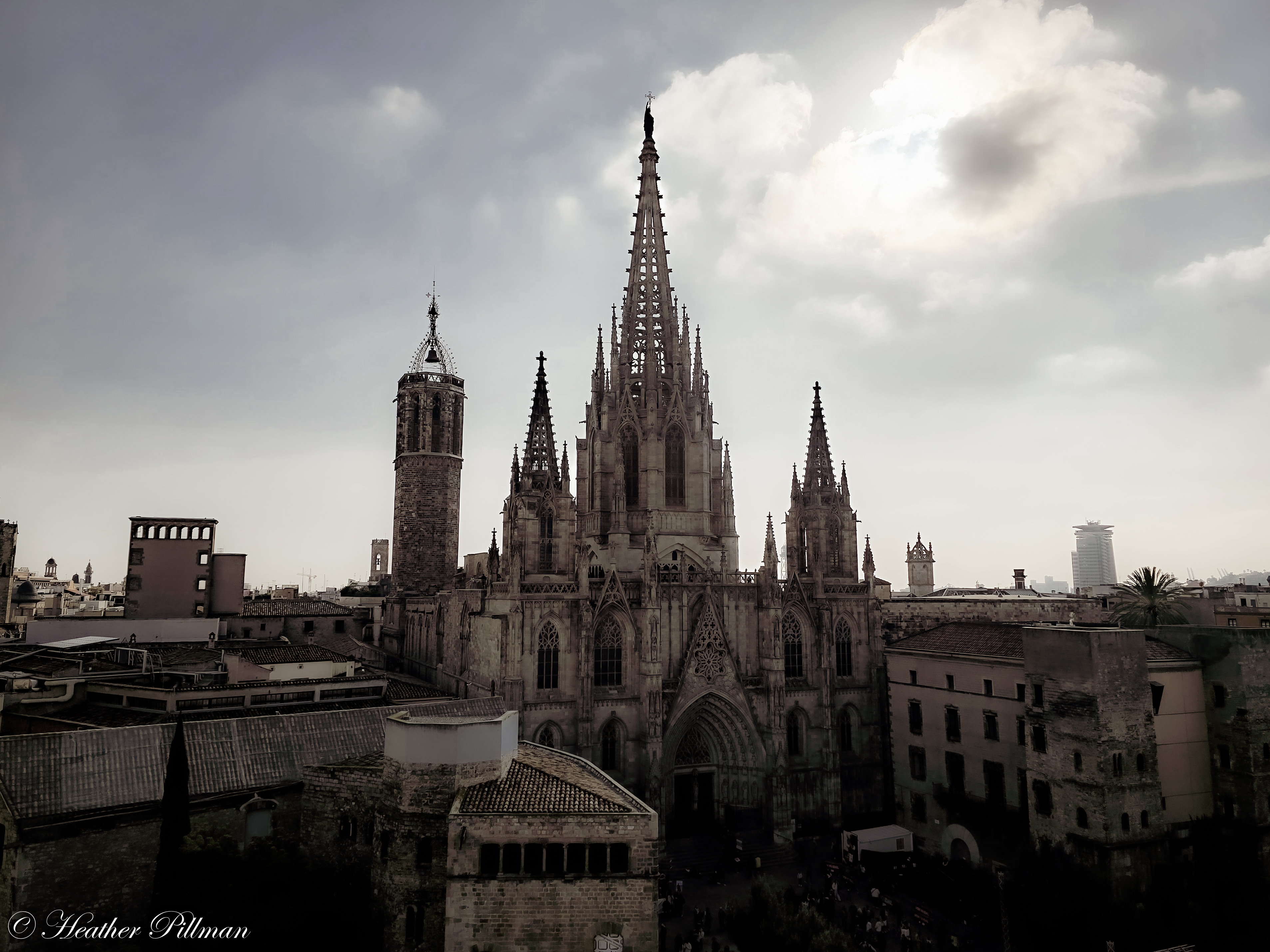
We toured the Barcelona Cathedral, a gorgeous example of a Gothic cathedral. After admiring the art and the stunning ceilings, we took the elevator to the rooftop to enjoy some views of the city. After wandering the Gothic Quarter for a bit, we headed back up the streets decorated with Christmas lights to Eixample for our 7:00 PM evening tour of La Pedrera – Casa Mila, one of Antoni Gaudí’s masterpieces.

Antoni Gaudí was a Barcelona architect whose work is both magical and strange. Seven of Gaudí’s works in Barcelona were collectively named a UNESCO World Heritage site. The Catalan architect was one of the pillars of modernism in architecture. Gaudí was, in many respects, a genius. He was ahead of his time in the ways and measures he used to construct his buildings. But his buildings are also…strange.
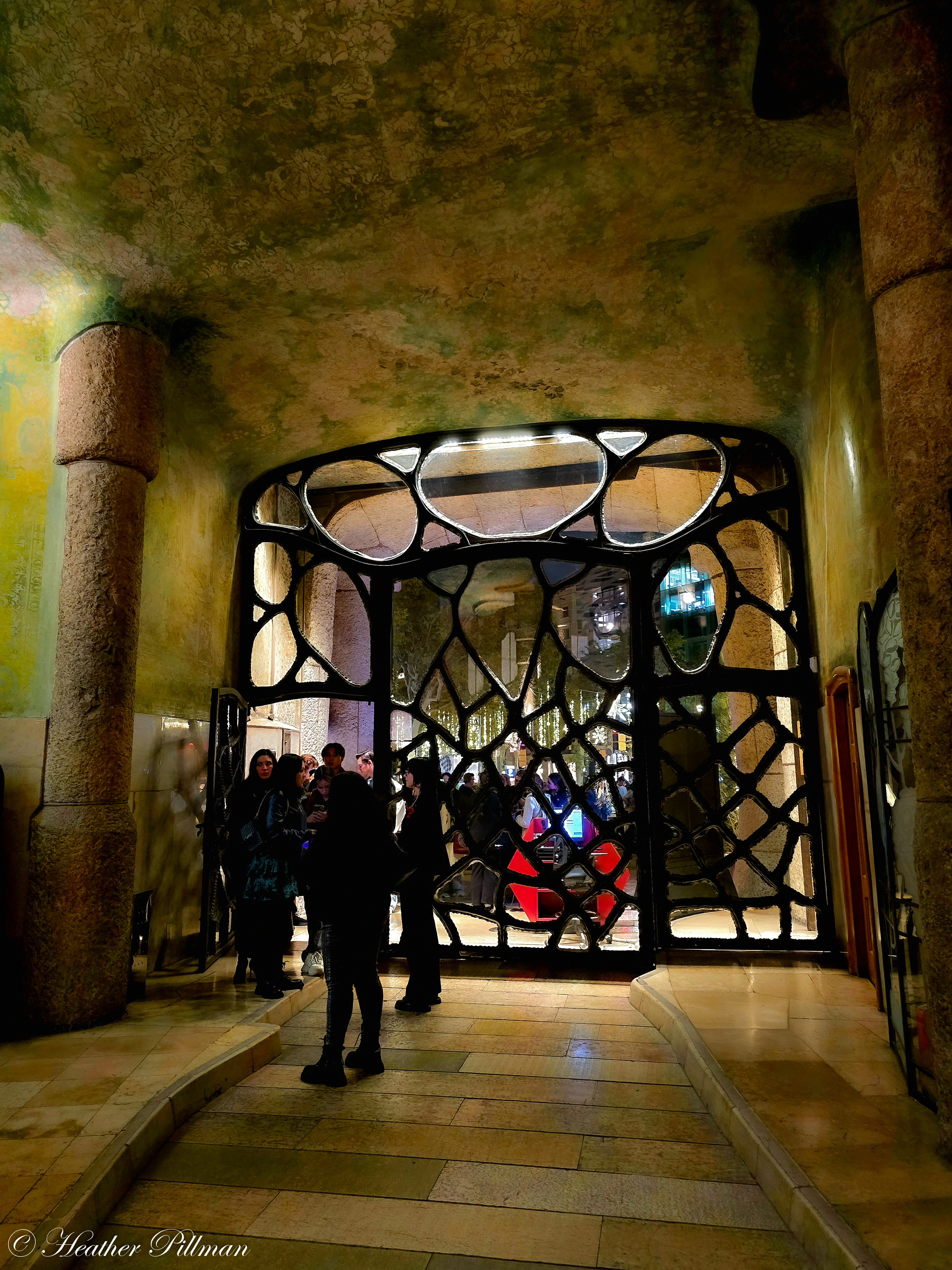
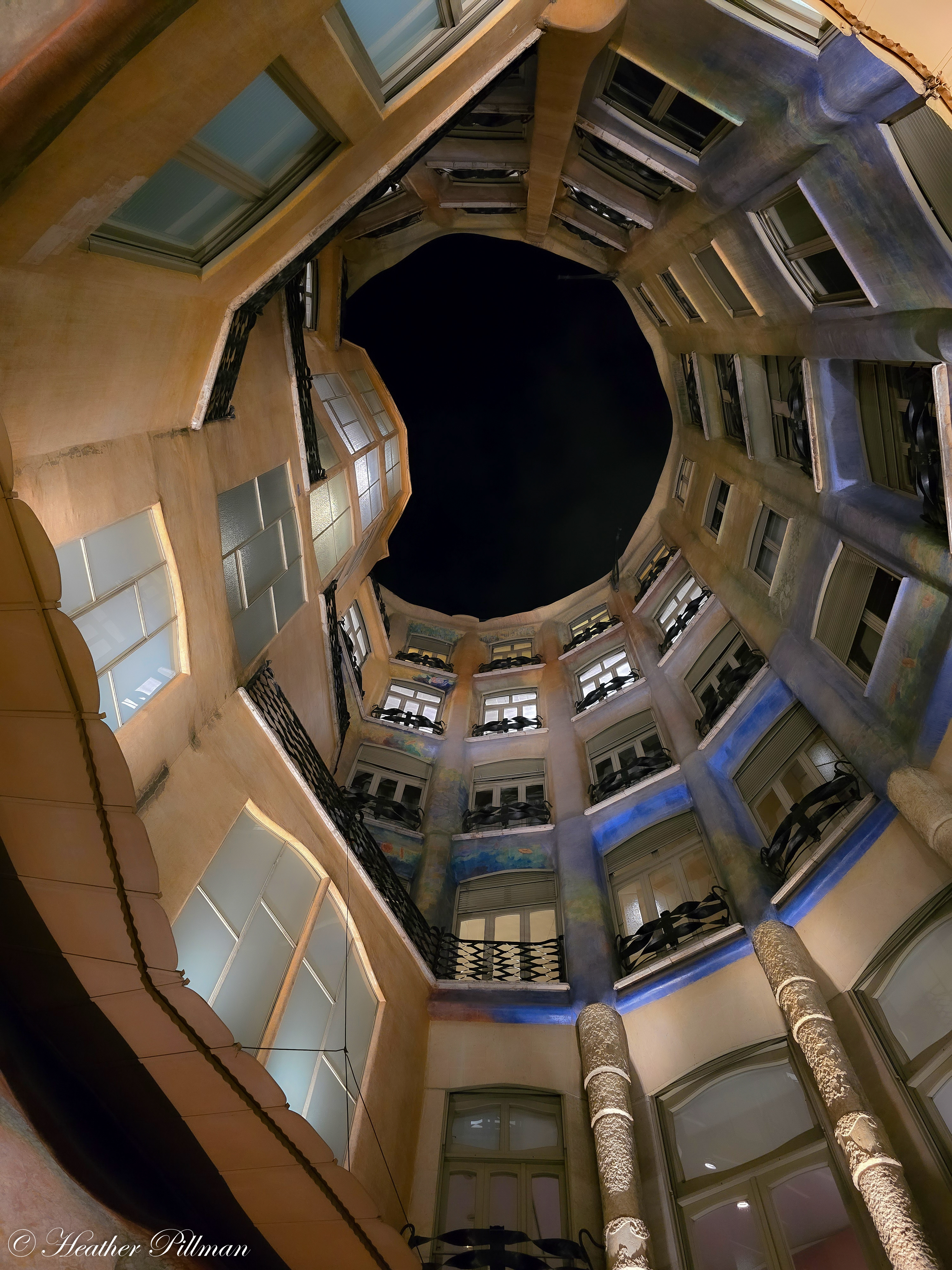
Casa Mila, a building where three people still make their home, was a massive undertaking in the newer Barcelona, Eixample. The structure is a multi-story building with an open center, wavy walls, painted and tile mosaics, and a huge ironwork door. Casa Mila, to me, looks like it’s constructed of bones. (All of Gaudí’s works look like bones to me). In some ways, bones make sense as Gaudí was deeply inspired by the patterns and shapes he saw in nature. After a brief talk in the entry of the building, we climbed six flights of stairs to the roof where we enjoyed a projection show onto the figures, that can only be described as both alien and phallic, on Casa Mila’s roof. I enjoyed the tour but I don’t want to live in any of Gaudí’s houses. The views from the roof of La Rambla below were simply stunning. We enjoyed a glass of cava, my first of many, and headed out to find some supper.
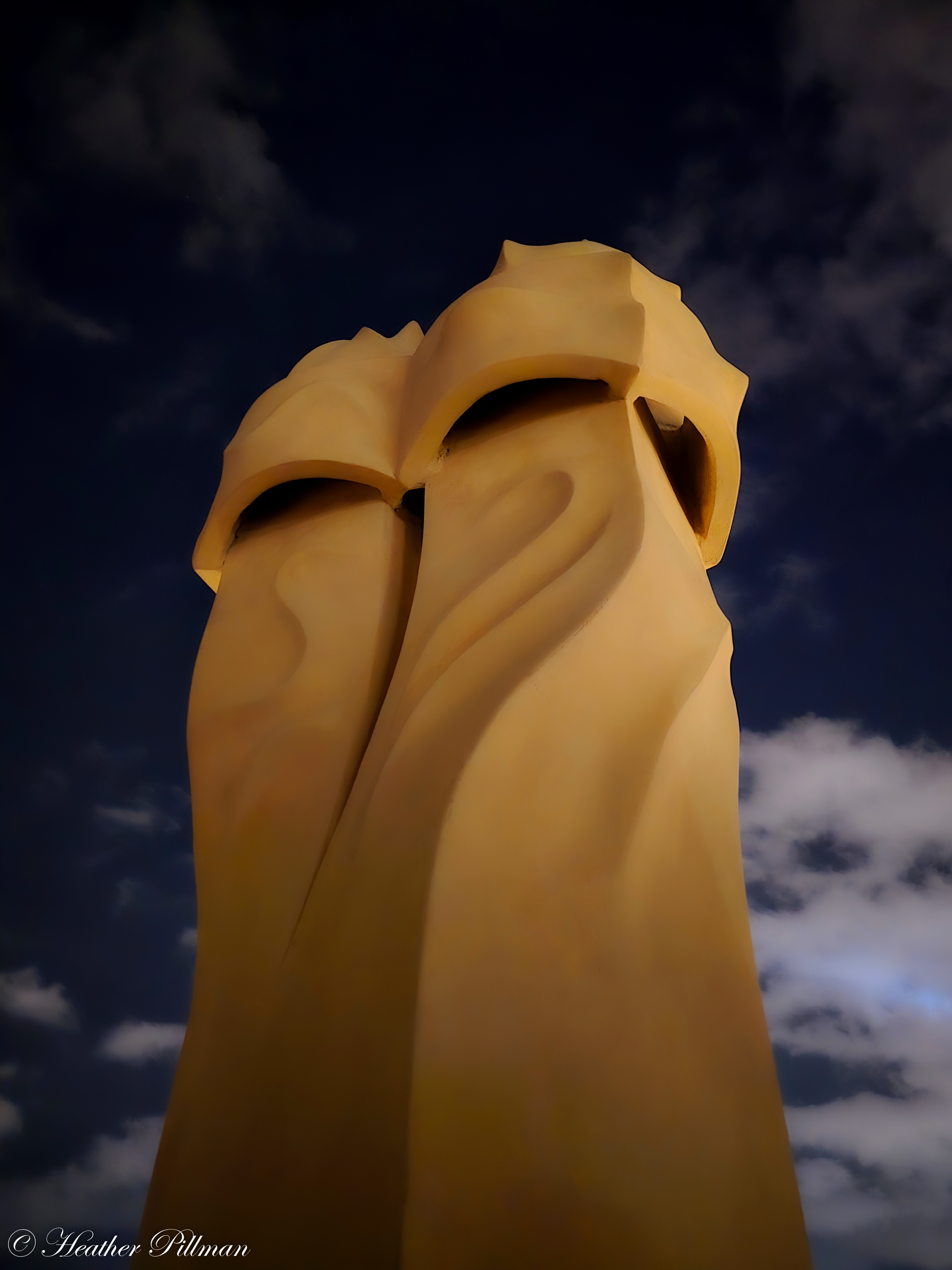
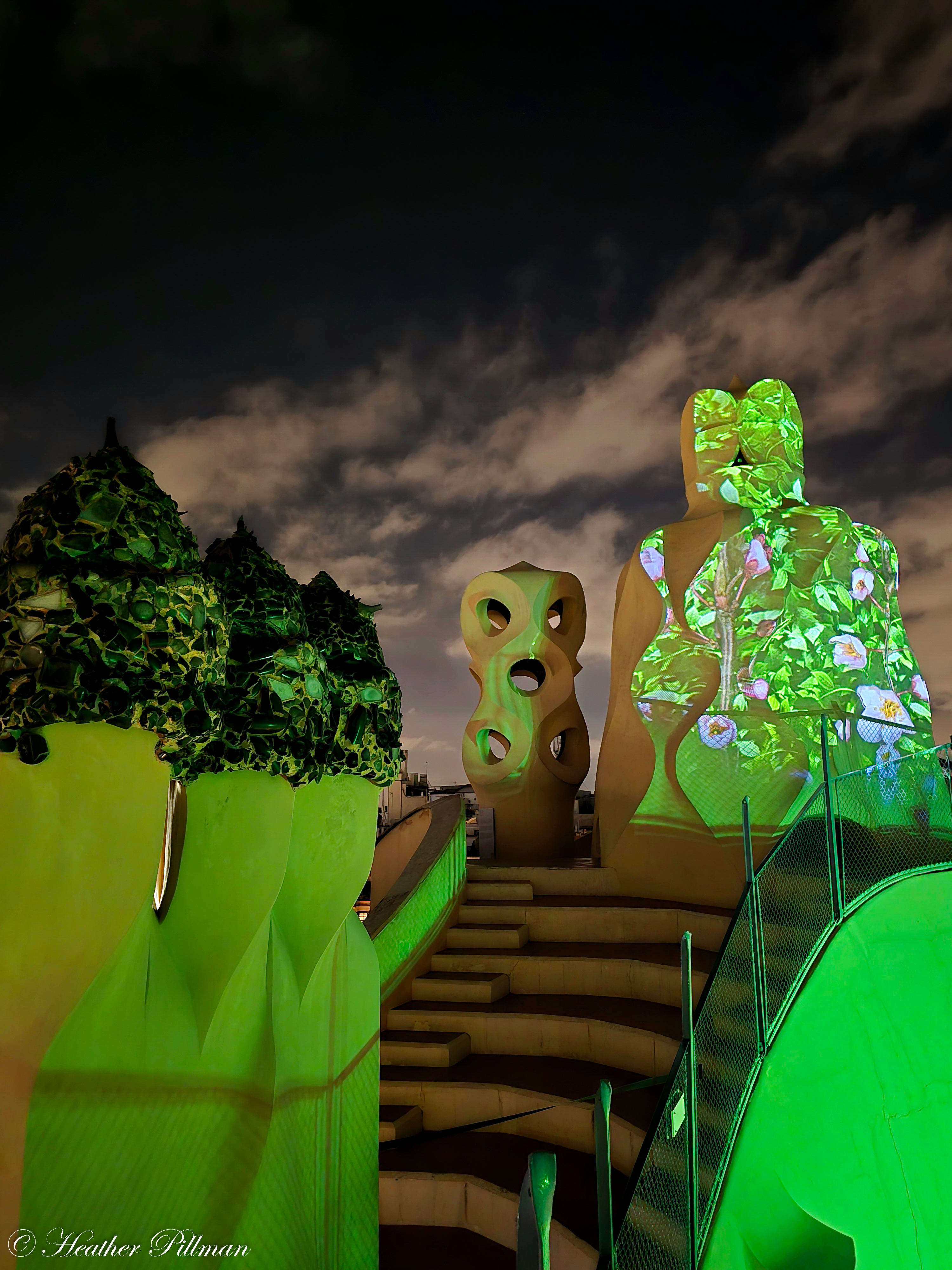
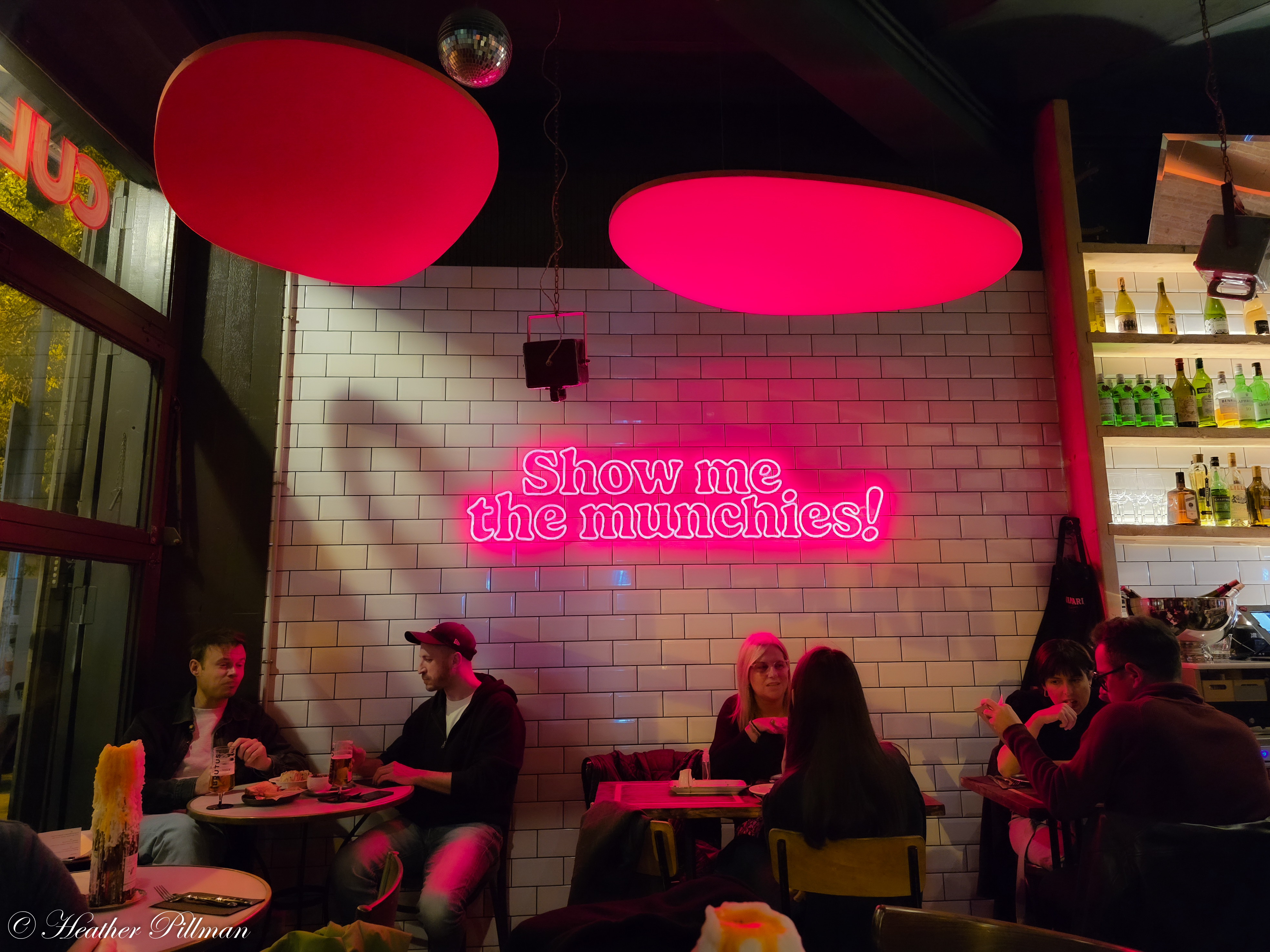
C and I are both Midwestern girls. Supper is to be eaten between 5:00 PM and 6:00 PM. No exceptions. Spaniards eat late. Supper starts around 8:00 PM and really doesn’t get rocking until 9:00 PM. Enter our saving grace, tapas. Tapas are small portions of snacks that can be enjoyed any time during the day with a drink. They’re meant to be shared which works out great when you have a travel buddy that also likes to try different food. We ate at the tapas place next to our hotel and retired to our separate quarters for a much needed night of sleep.
After sleeping like a drooling dog for 8 hours or so, I met C for breakfast. Today’s field trip is Park Güell, another of Antoni Gaudí’s sites. We called a cab to take us to Park Güell as it’s a bit further out and the way there is entirely uphill. Ask your driver to drop you off at the top of the hill near the entrance if you want to save your legs.
The park seems to busy all of the time and we followed the advice we read online and booked our entrance tickets for the earliest slot. We were definitely not the only people there but we were still able to enjoy the park. Gaudí’s work is centered only in a certain section of Park Güell. The rest of the park is, well, a park, a green space in the midst of the city and a pleasant place to walk.
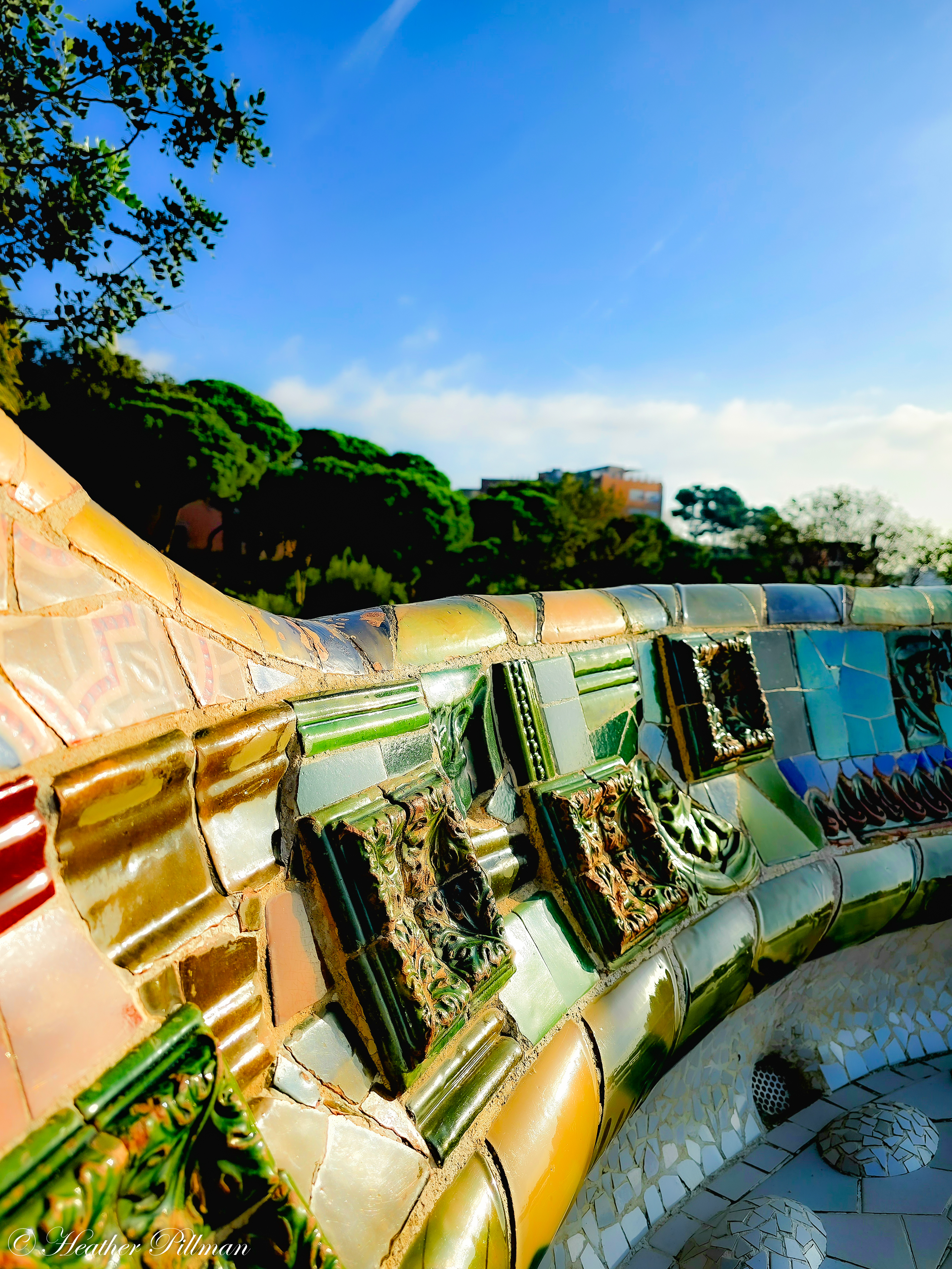
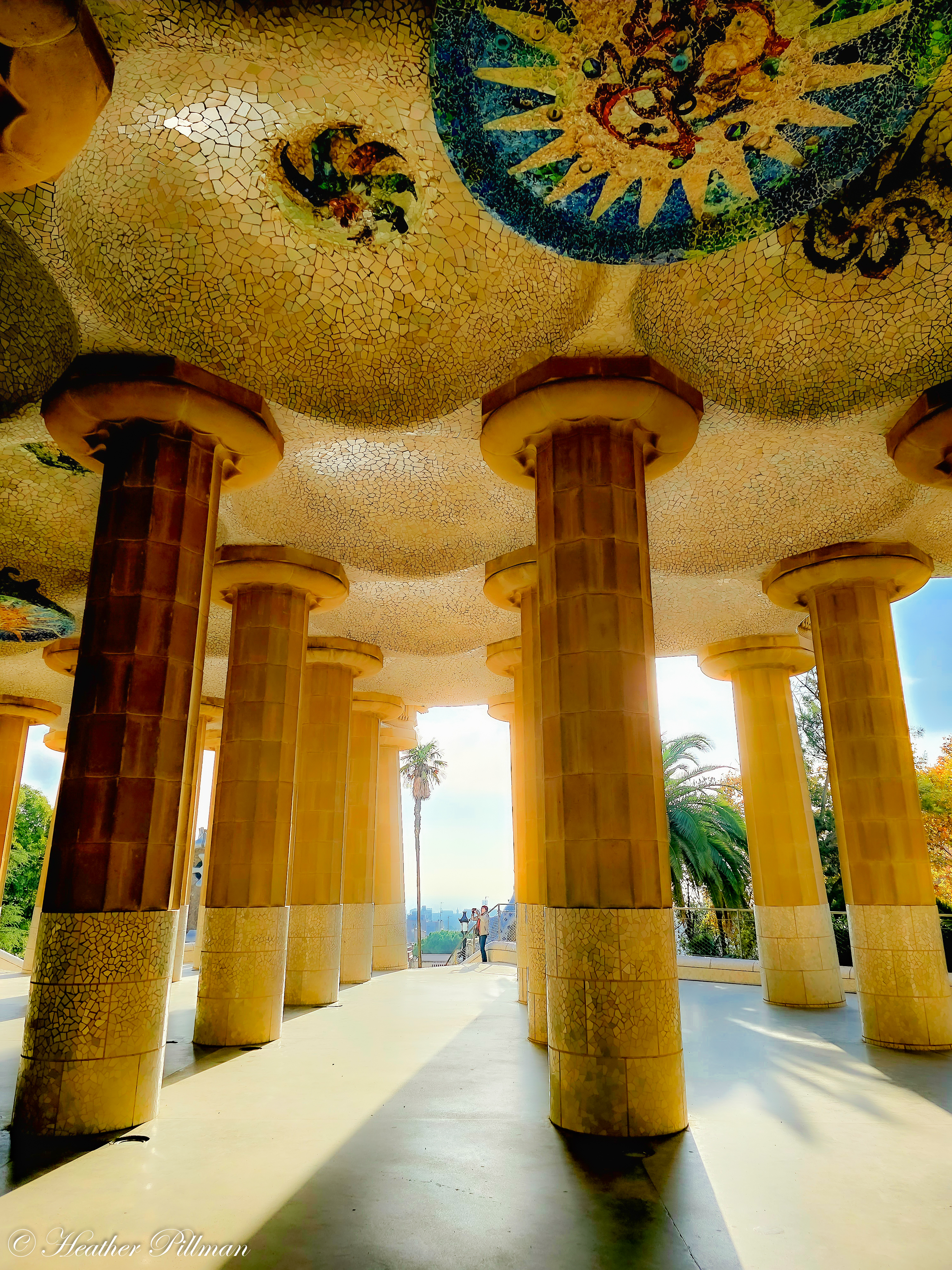
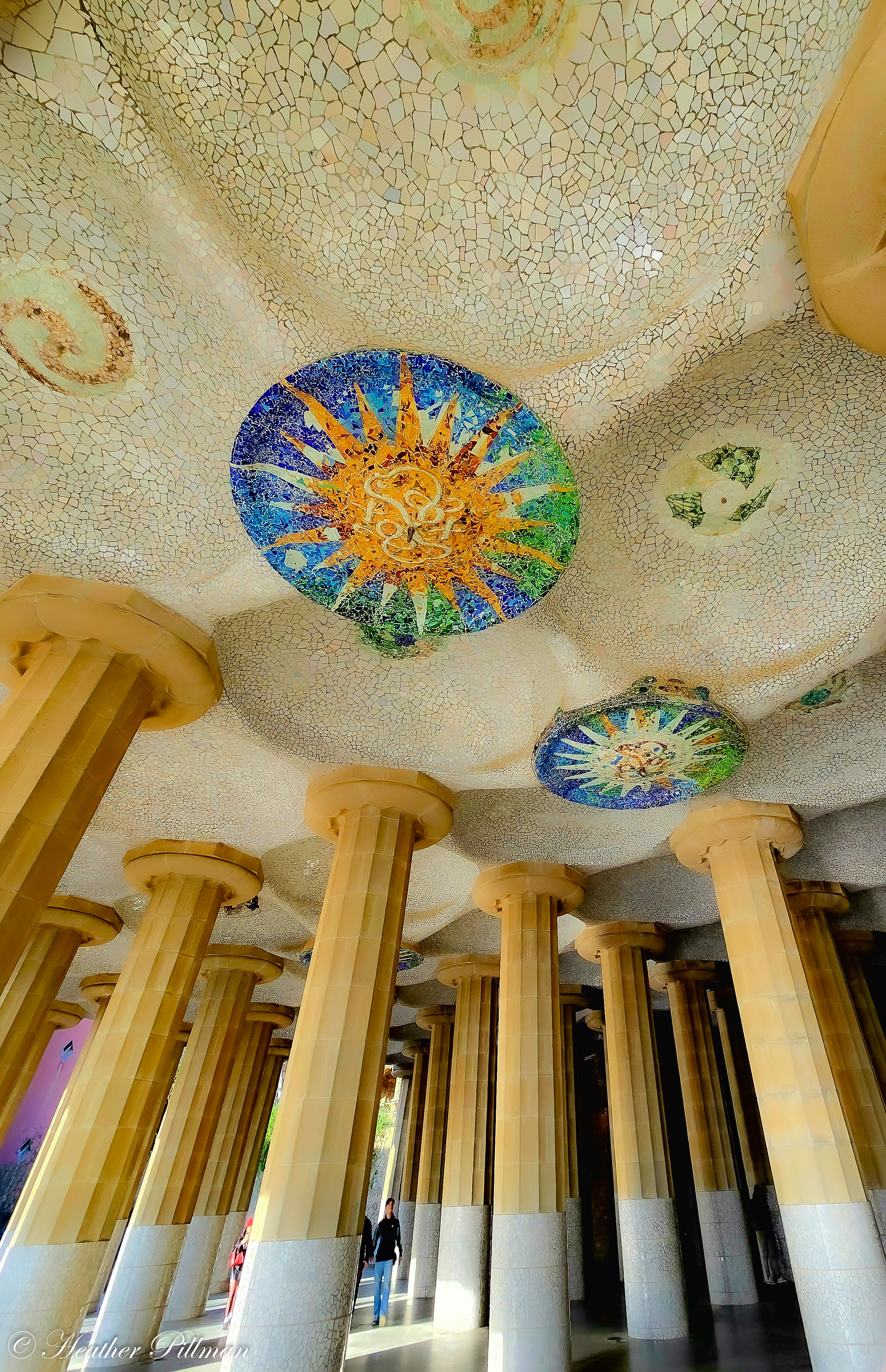
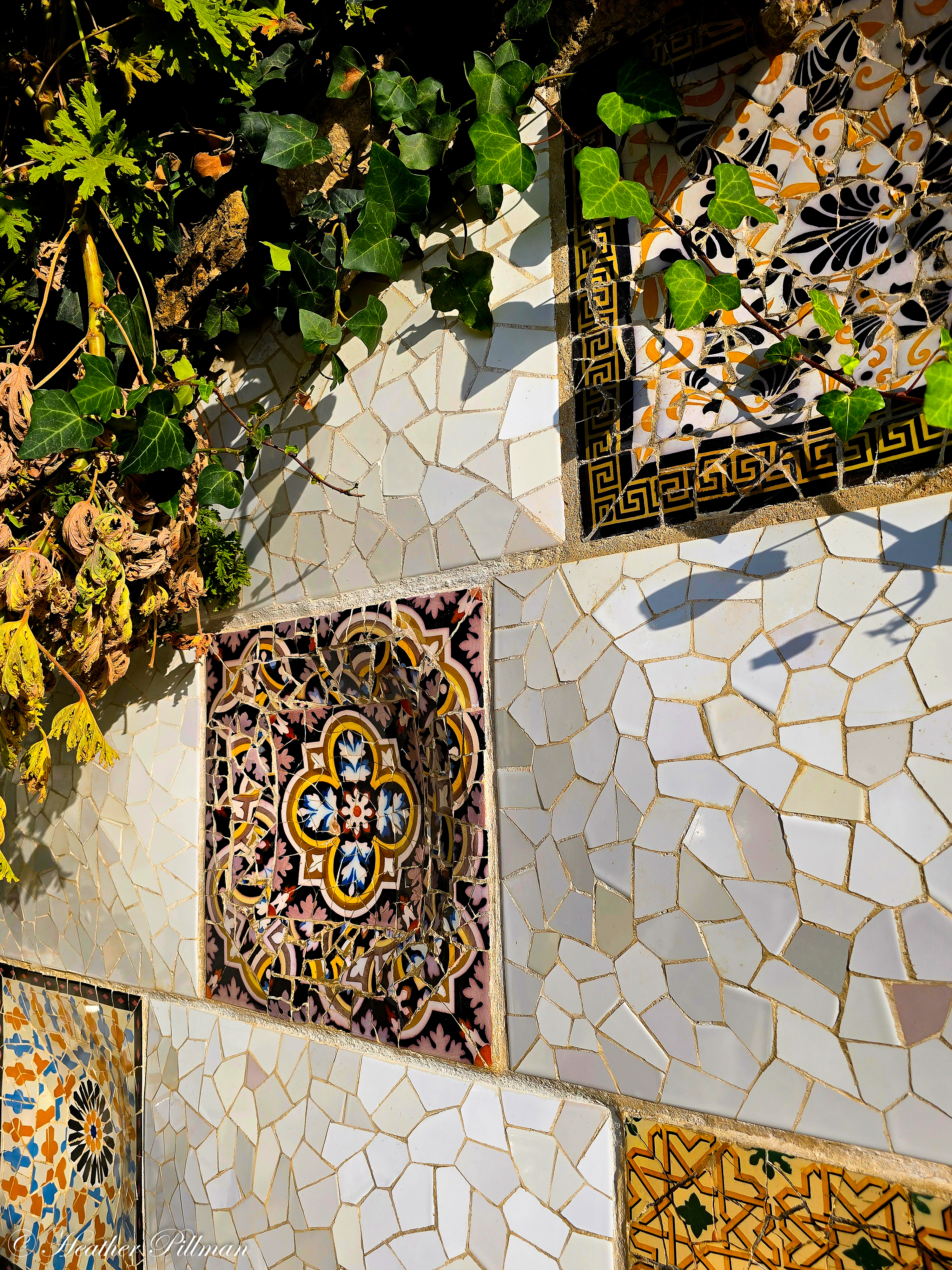
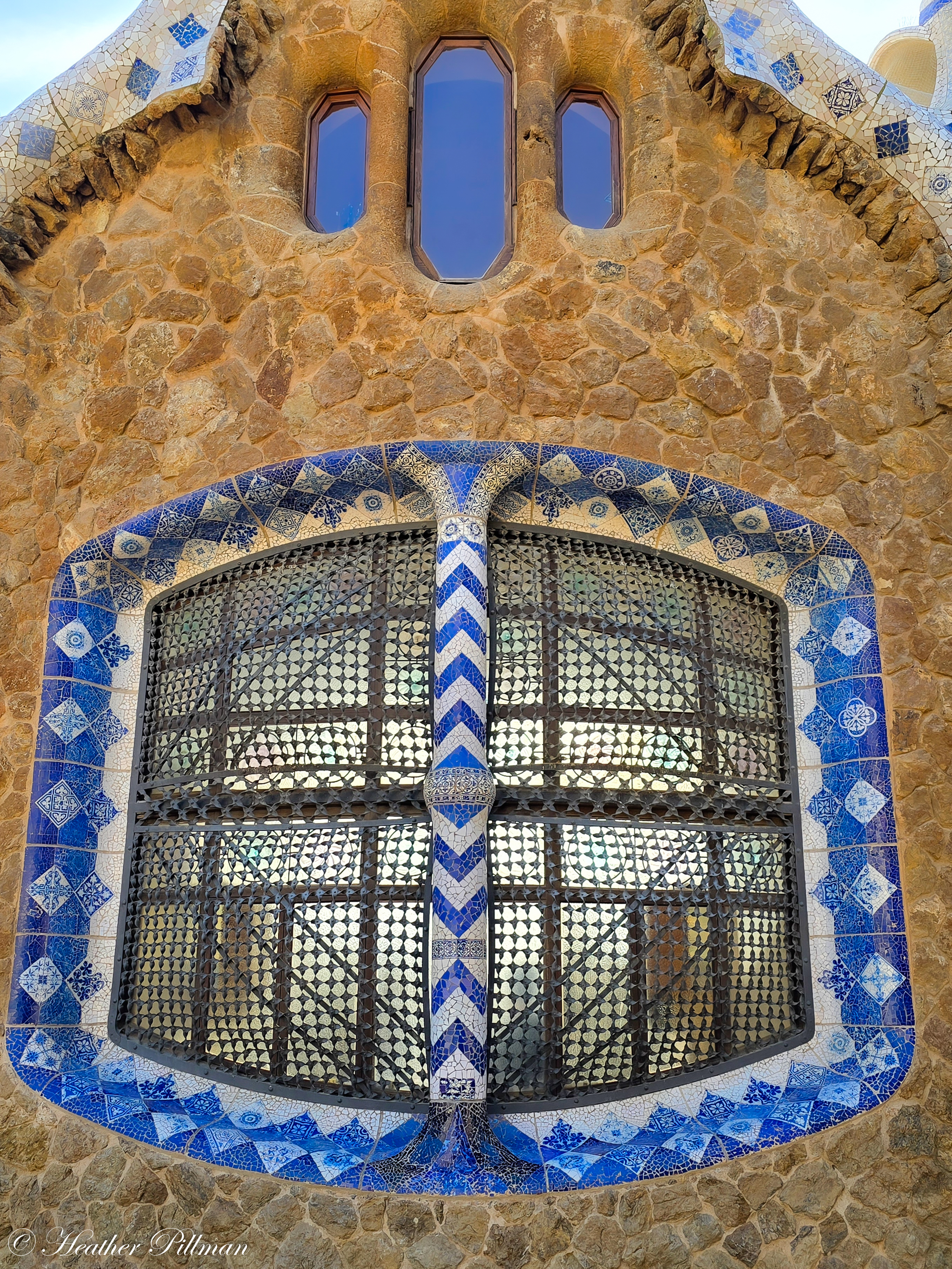
We sat on the Serpentine Bench, saw El Drac on the stairs, wandered the Hypostyle Room (my favorite) and enjoyed some more of Gaudí’s whimsical architecture while navigating groups of other tourists. Plan to wait a while if you want a perfect picture on the bench or the stairs. No matter what time of year you visit, it is a good idea to book your tickets to any of the Gaudí attractions well in advance. Casa Batlló and Casa Mila are very near each other. Sagrada Familia is a bit further on, but very easily reached by subway.
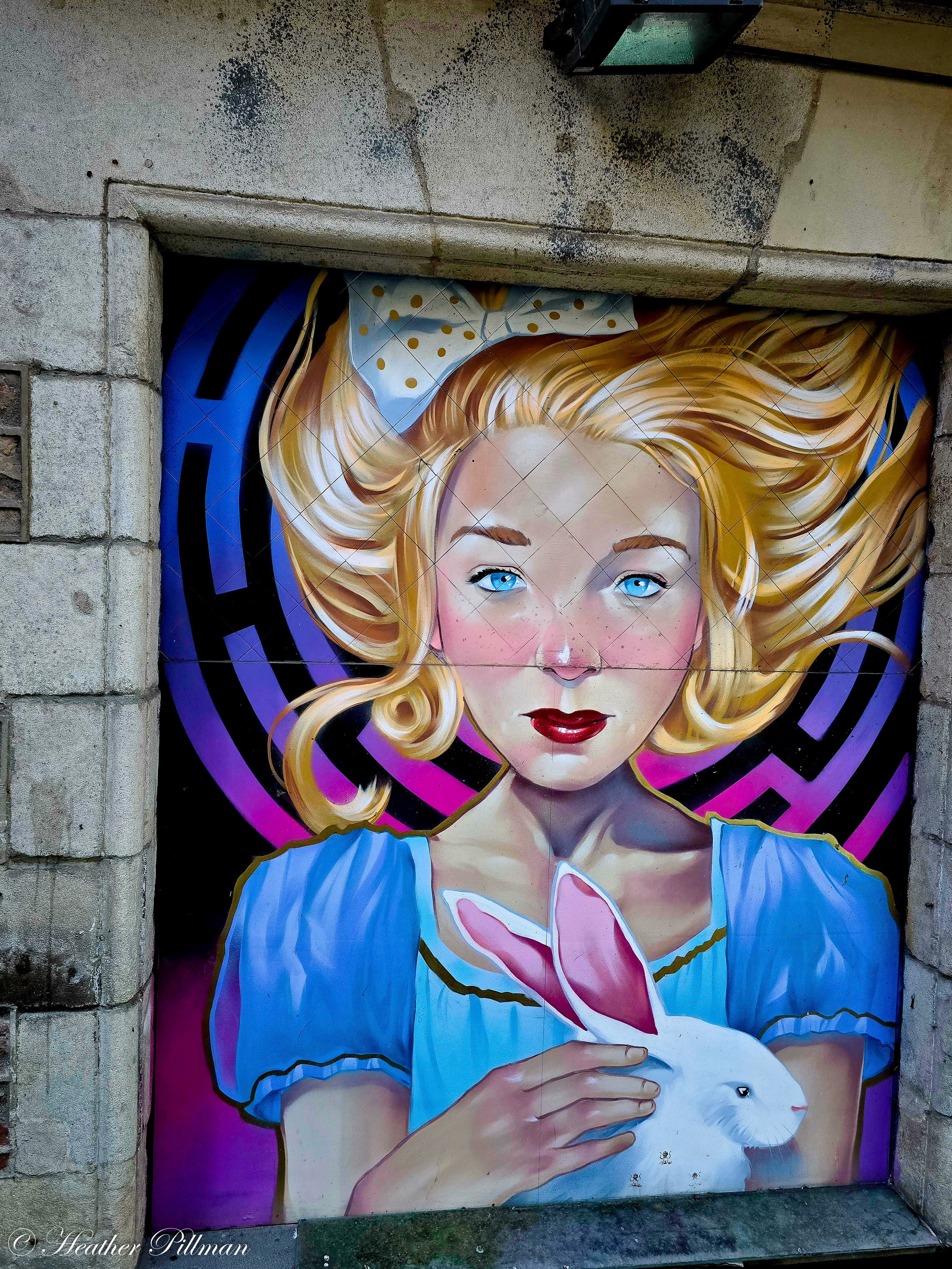
We walked down the hill from Park Güell before calling a Cabify to take us back to the Gothic Quarter. It was here that we saw some anti-tourist grafitti as well as some fantastic street art and the lovely shrine of Sant Josep de la Muntanya. Here’s a good point to mention that the language of Barcelona is Catalan. A Romance language, Catalan is similar in some ways to Spanish (and not similar at all in other ways.) I found Catalan to be more like Italian. (I don’t speak Catalan. In fact, I took a class while studying for my Bachelor’s degree with a Catalan professor and I had a terrible time understanding him. Thankfully, people in Barcelona also speak Spanish and I had no trouble understanding and speaking to people solely in Spanish. or in English.)
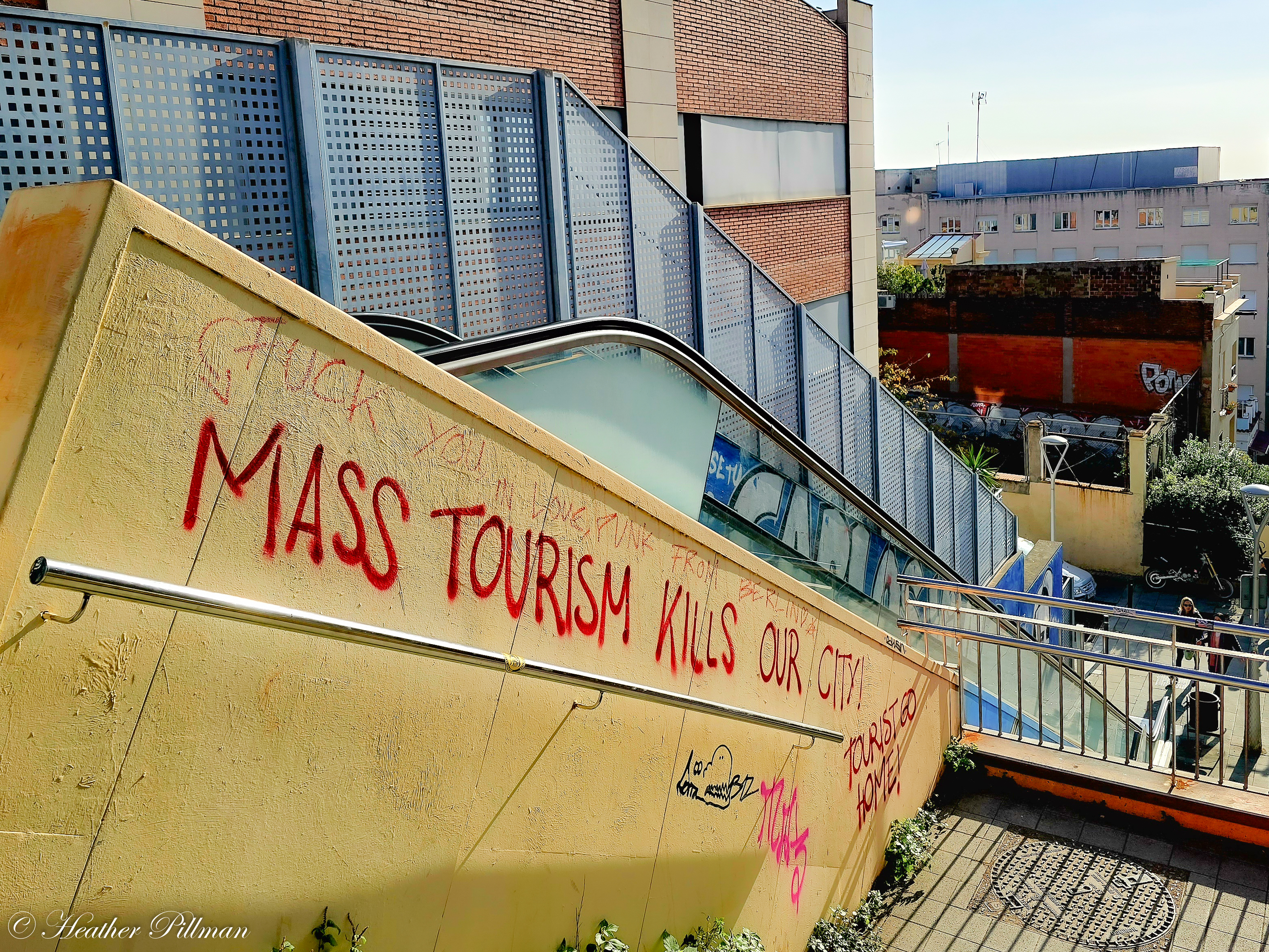
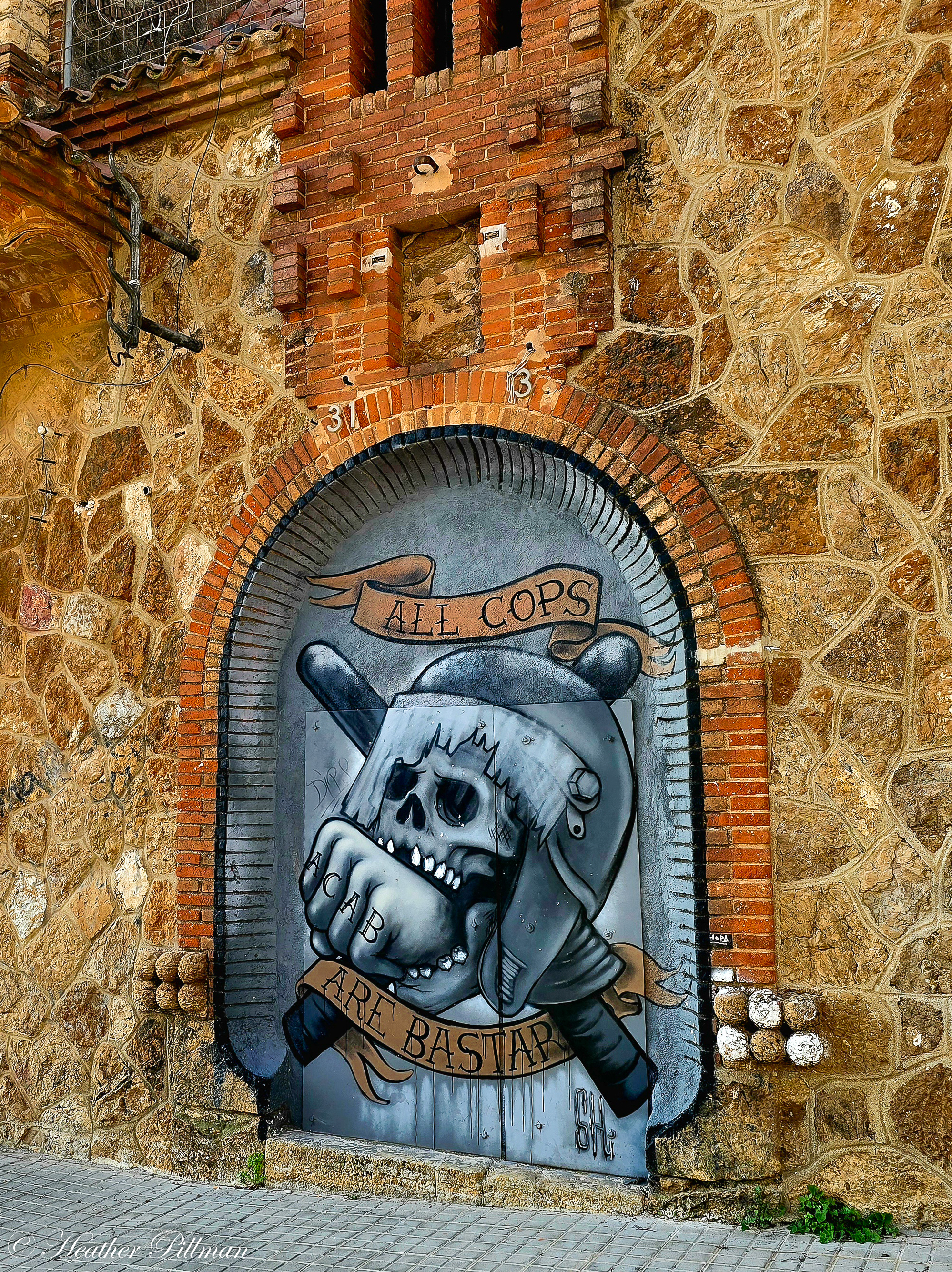
We had our frustrated Cabify driver drop us back off in the Gothic Quarter, close to the Cathedral. We giggled the entire way, listening to classic American rock on the radio interrupted every so often by our driver sighing and swearing at the traffic. I would never attempt to drive in Barcelona. Traffic is terrible. People stop their cars in any old place and pedestrians are everywhere. Barcelona has a great subway system and we made great use of it the majority of our time there. You can purchase a Casual T Card for about 12€ for 10 rides.
We attempted to make our way to the terrace of the Hotel Colón. We had taken note of the hotel’s rooftop bar the previous day when at the Cathedral. For 18€ per person, you can enjoy a drink with a view overlooking the historic Barcelona Cathedral. Check the hours before you go. The bar wasn’t quite open when we arrived but there was a Christmas market just outside which kept us entertained.
We did a little souvenir shopping and encountered two specific Catalonian holiday traditions that had us rolling. All over the market, we kept seeing two things: a character in a red hat with his pants dropped and what we thought was a Yule log character. I know you have been wondering when I was going to talk about poop and it’s now!
After taking photos of the caganer, we found a stall full of the pooping figures. A girl working the stall shared the story with us. The caganer was a figure that was often featured in Catalan nativity scenes. He drops his drawers, poos in the fields, fertilizes the crops and over the course of years and years has become a symbol of good luck. In addition the traditional figure, you can buy a caganer in the shape of your favorite soccer player, actor or politician. You can also visit an entire store full of these little guys.
C and I decided to buy a couple of the small Yule log characters. We stopped at another stall and struck up a conversation with another woman working the Christmas market. We told her how cute we thought the little character was and we asked her to tell us the story of who he was. This little Yule log is not just any Yule log: he’s Caga Tío and our new friend tells us that he’s “like our Santa Claus.” Families bring Caga Tío into their homes before Christmas. He’s usually got a cute cartoon face and he’s draped with a festive blanket. He has only two front legs. Families place Caga Tío (which literally means “poop log”) in their home, maybe near the fireplace, and they feed him. Children then beat Caga Tío with sticks encouraging him to poop out candies and little prezzies for Christmas. I shit you not. Like Santa Claus. Hardly. Last I knew we didn’t beat Santa nor did he poop in our houses.
We laughed as we walked back over to Hotel Colón, paid our 18€ and headed up to the rooftop. We ordered a glass of Cava (or two for me) and ordered some food. While relaxing, we watched a giant Caga Tío be paraded through the Christmas market to a spot just outside the Cathedral. Soon enough, children lined up to have their photo taken with the log, and to beat it with sticks.
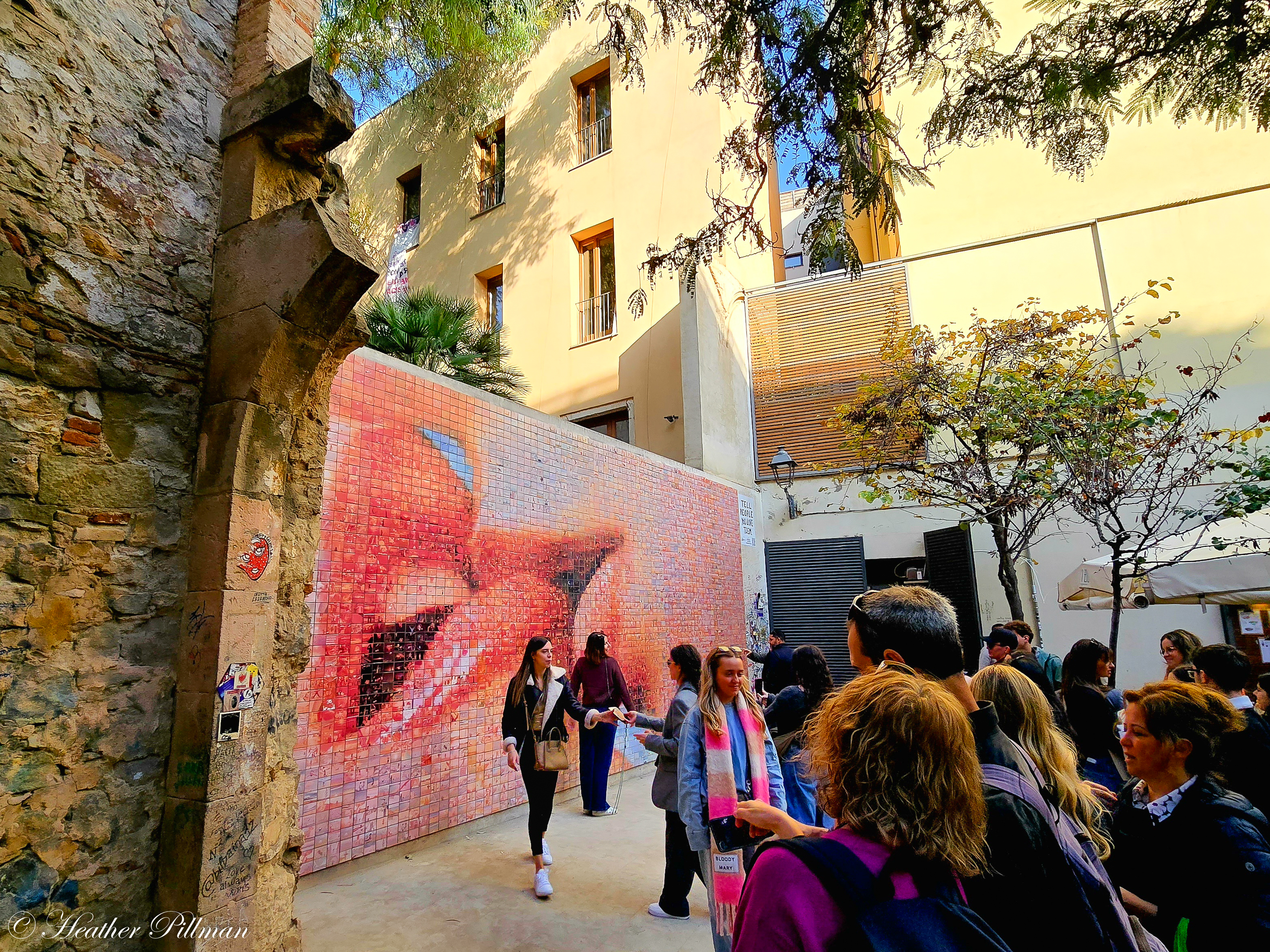
The Gothic Quarter is a fantastic place to wander so we hit the narrow streets to admire some more hidden courtyards and to find the mural of The Kiss. The mural is made up of 4,000 tiles sent in by citizens of Barcelona. You won’t be alone at the mural, but it’s still worth seeing and is very near the Cathedral.
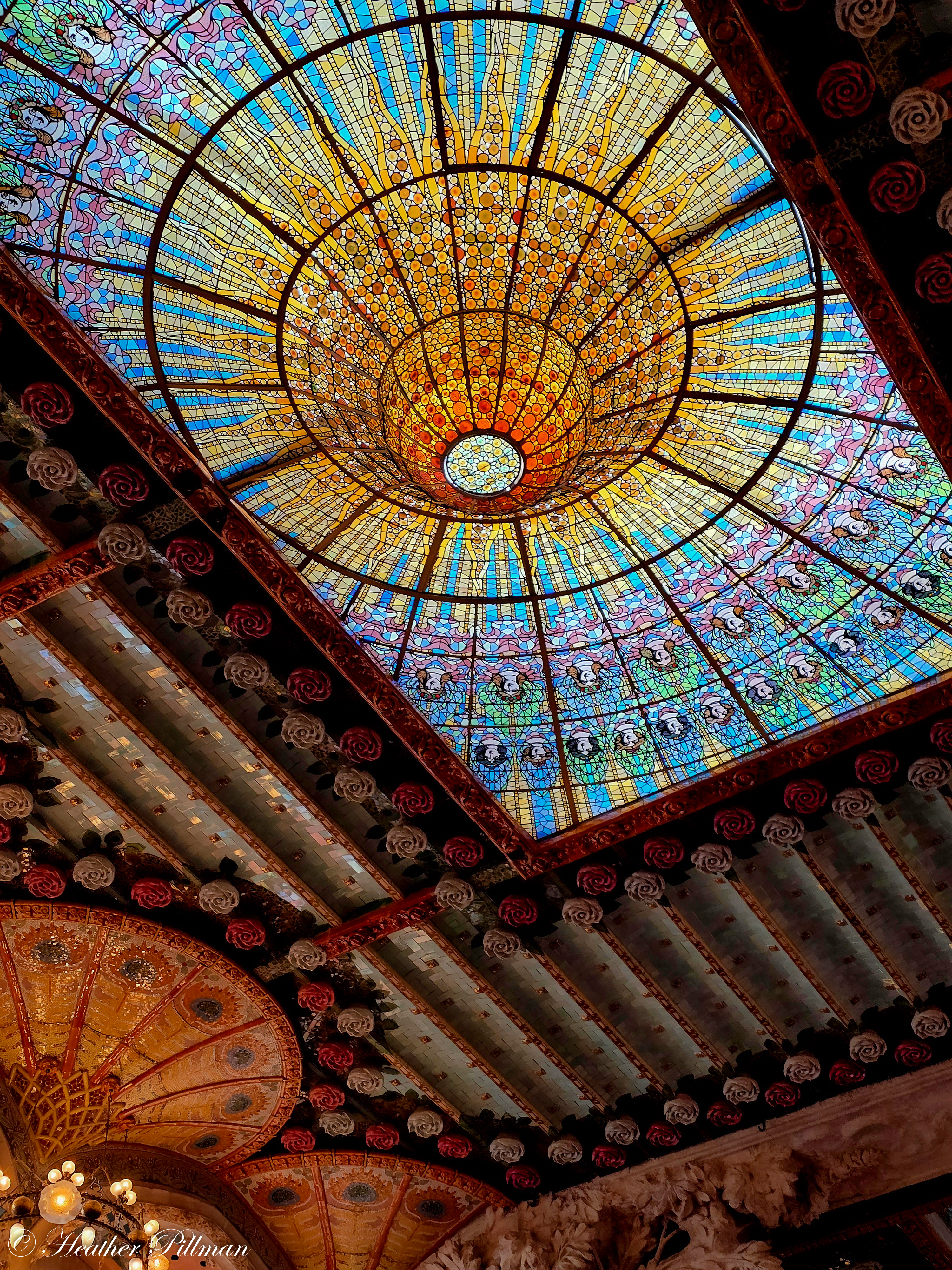
We headed out next to see another recommended spot, the concert hall Palau de la Musica Catalana. We were able to purchase tickets easily at the door, but if you visit in a tourist heavy time, you might want to book ahead. Another UNESCO site, the Palau was built between 1905 and 1908 and it is beautiful. The jewel is the stained glass skylight in the concert hall. We booked a self guided tour and were then yelled at for sitting in the concert hall. Apparently, you need to book a guided tour to do that. To be fair, the hall wasn’t roped off when we started our self guided tour. (But it was when we left!) In addition to the concert hall, be sure to step out on the balcony to admire the colorfully decorated columns. You could also attend a concert here during your time in Barcelona.

We headed back to the hotel to put our feet up and to freshen up before our booked tapas tour. We decided early on that we wanted to do a tapas tour and we booked a great one. I highly recommend The Barcelona Taste tapas tour, particularly the tour in the Poble Sec neighborhood. We took the subway from our hotel to Poble Sec. You could tell from the restaurants and shops surrounding you that Poble Sec was a more diverse neighborhood. We waited for our guide, the incomparable Tito, and headed out to our first tapas stop. We were joined on the tour by four other travelers, all from the Midwest. We would never have found these amazing, tiny restaurants on our own. Our first stop featured tapas from the Andalusian region in Spain including shark meat that was marinated in vinegar and then deep fried and artichokes topped with shaved tuna. Here, we also tried some wines from Andalusia including a white wine that was described as a dry, dry, dry white. It was delicious and was unlike anything I’d ever had before, both in taste and the feeling in your mouth.
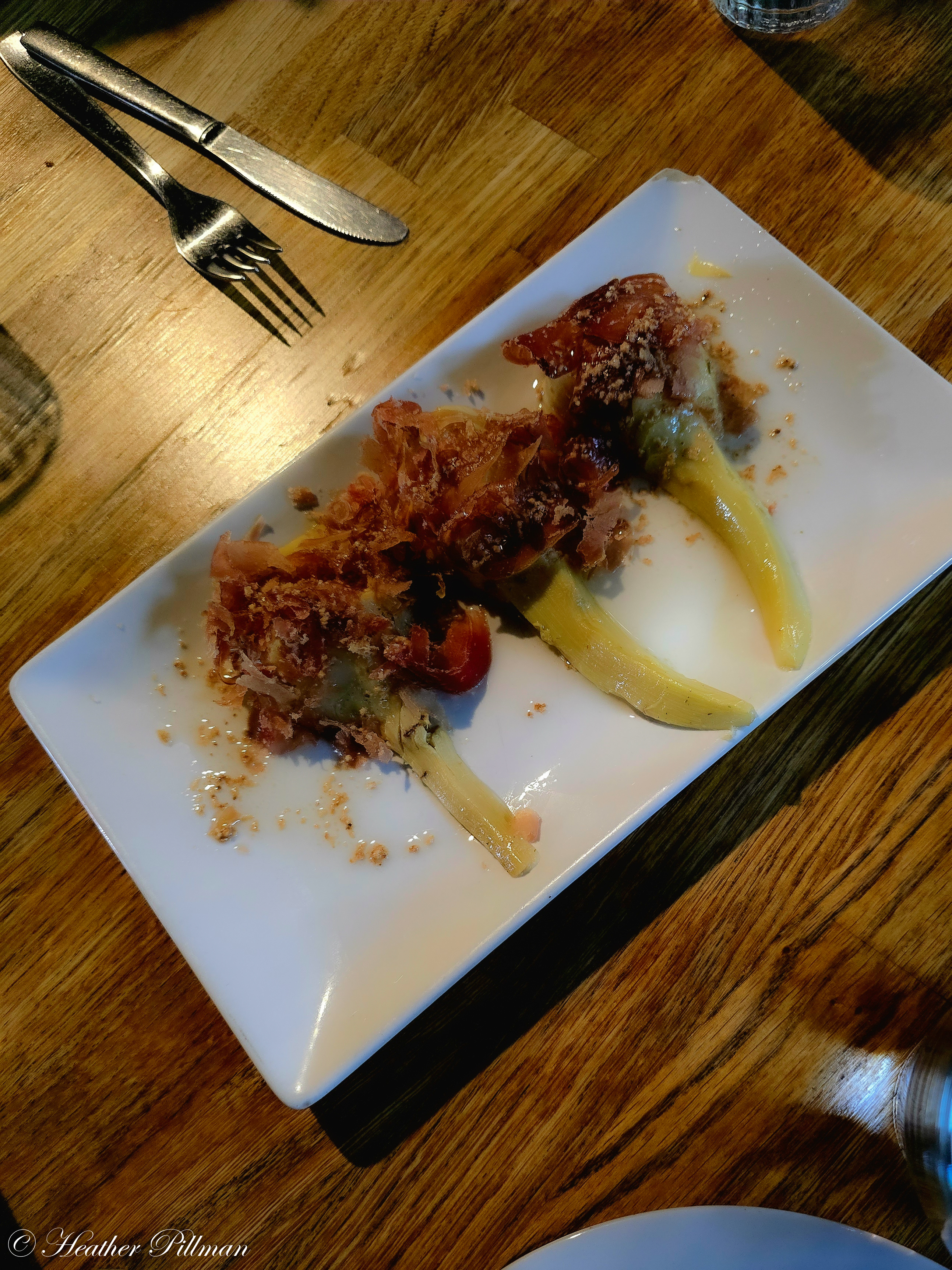
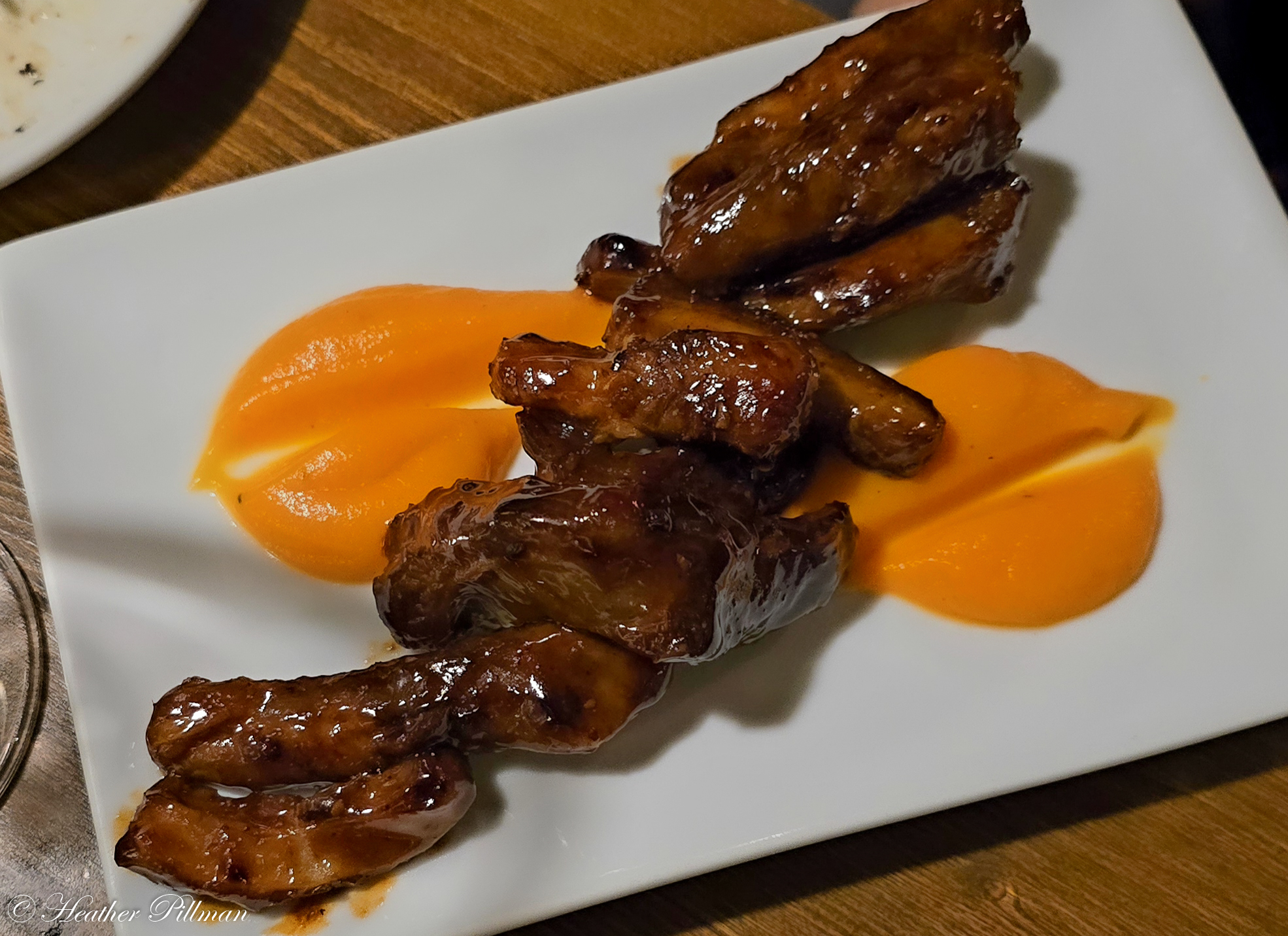
By the time we were done with our final tapas at stop one, we were thankful for the walk to our next spot, a tapas bar with Argentinian owners. Everything here was scrumptious including the barbecue pork ribs with sweet potato puree. The pork in Spain is next level. Maybe it’s the acorns the pigs are fed, but the texture of the meat is more like beef. We also indulged in a duck cannelloni that was easily top 5 in the list of most delicious things I’d ever eaten. Our last stop was a lively spot for some desert: crema catalana, a creamy dessert akin to crème brûlée, and torrijas, dessert French toast. It’s amazing how full you can get from small plates. We rolled down the street, exchanged social media info with our new friends, and hopped the subway back to Eixample…up the street past Casa Batlló, turn left at Rolex, collapse in bed for more jet lagged sleep.
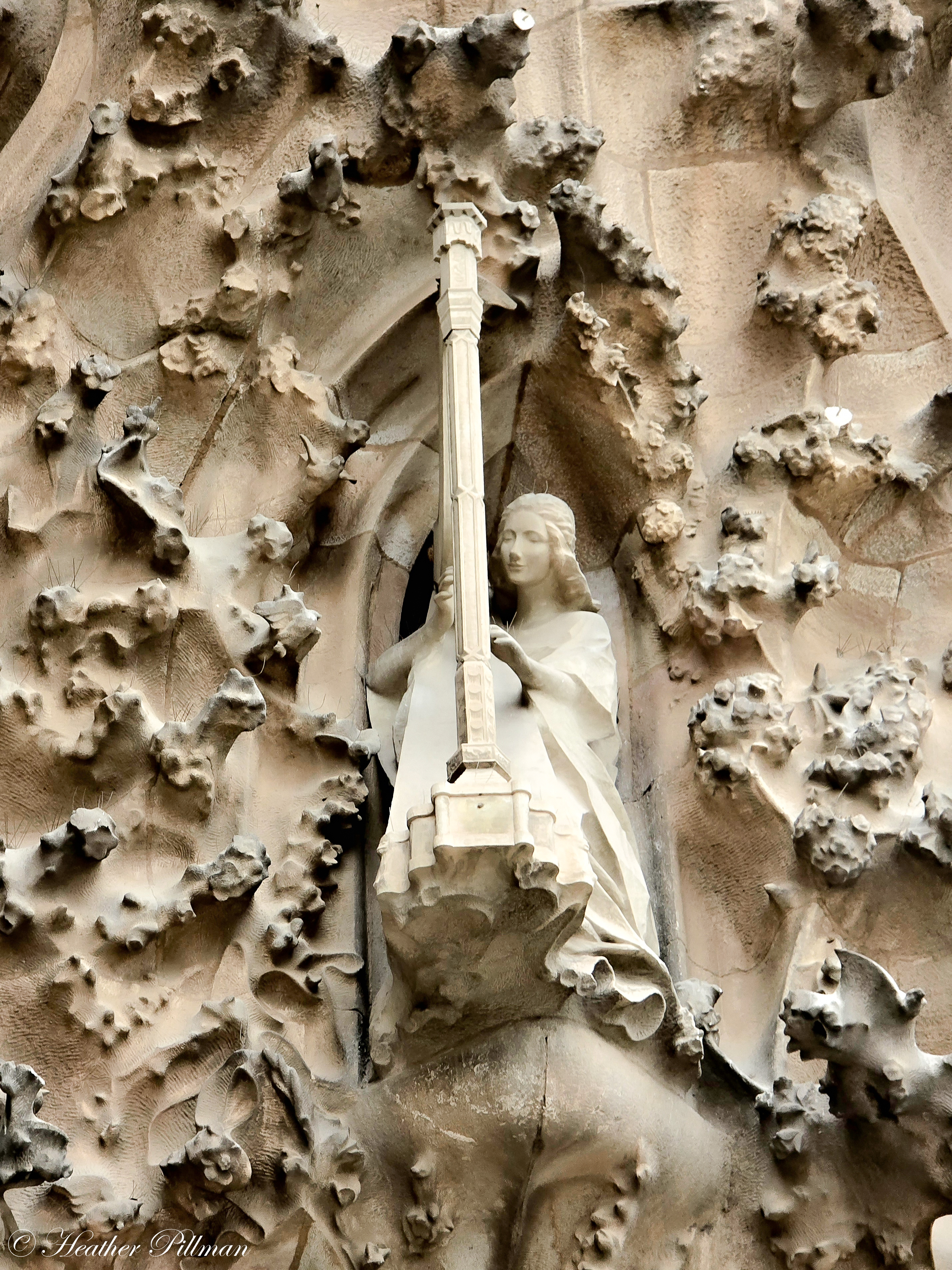
Sunday was our day to take a guided tour of La Sagrada Familia, Gaudí’s masterpiece. The plans for this church were so grand and so detailed that it is still under construction. The Sagrada Familia project was conceived in 1882 by Francisco de Paula del Villar. The cornerstone of the basilica was laid 140 years ago. Gaudí, much younger than del Villar, took over the project in 1883. Sadly, Gaudí never got to see his masterpiece completed. He died after being hit by a tram in 1926. He passed away at the Hospital Sant Pau, which we will tour next. Several architects, sculptors, and artists will follow Gaudí in the ongoing construction of the basilica.
What struck me about the Sagrada Familia was not just its size, but the intricacies and differences between the façades. There are two façades on the church, the Nativity Façade and the Crucifixion Façade. The Nativity Façade is very busy and ornate while the Crucifixion Façade, started long after Gaudí’s death, is stark and angular. The whole church also looks like it’s constructed of bones to me, but not everyone shares my opinion.
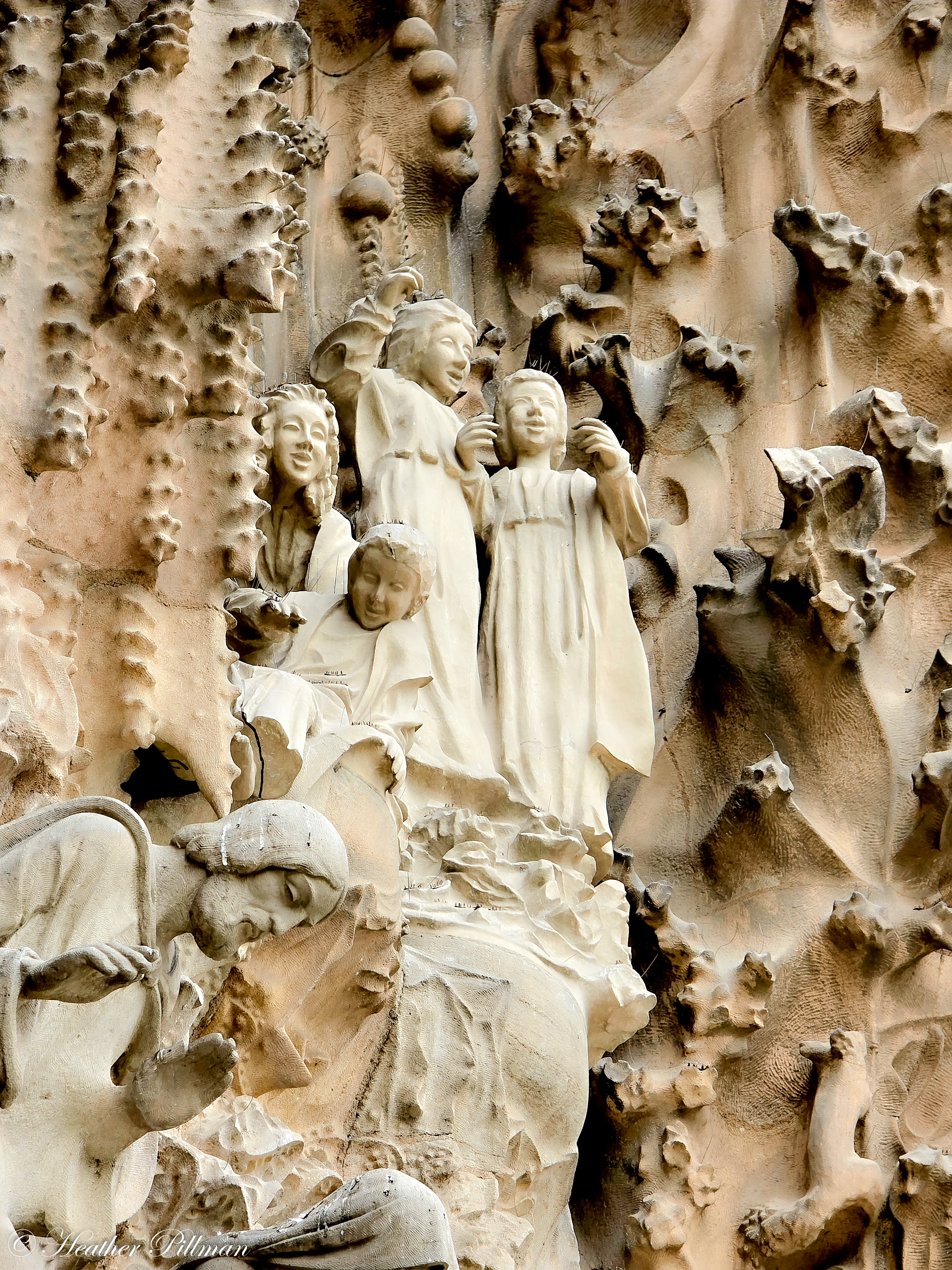
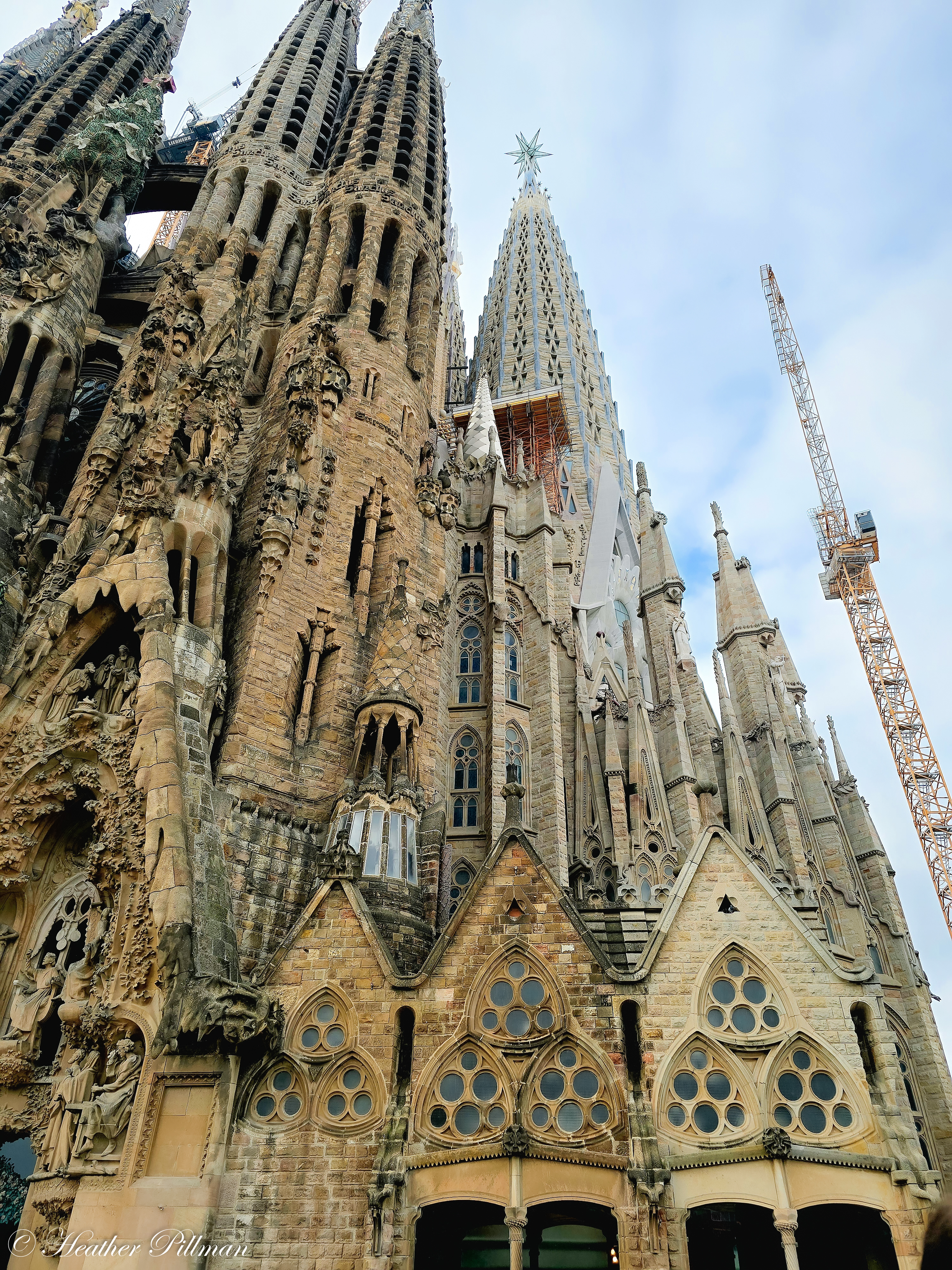
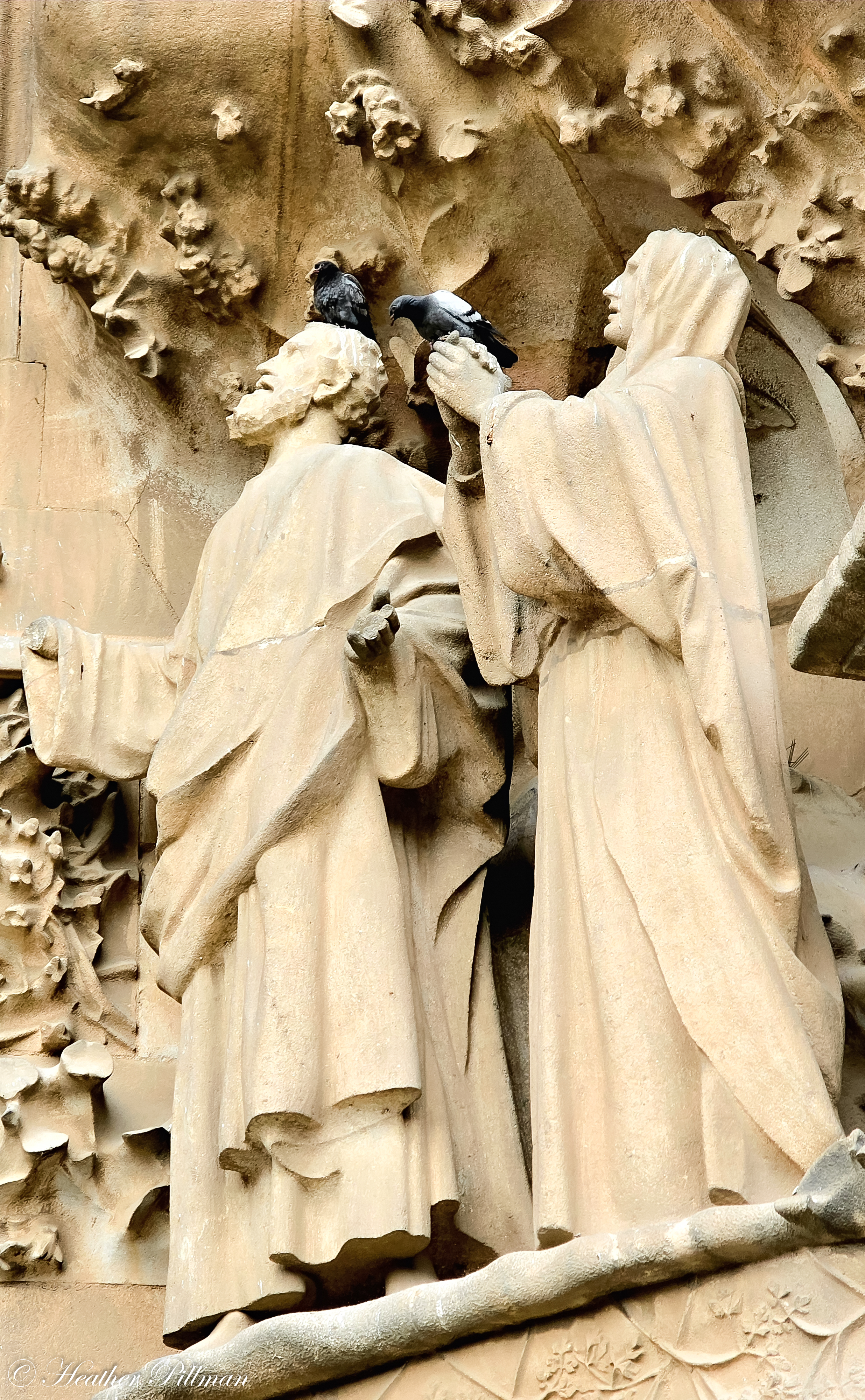
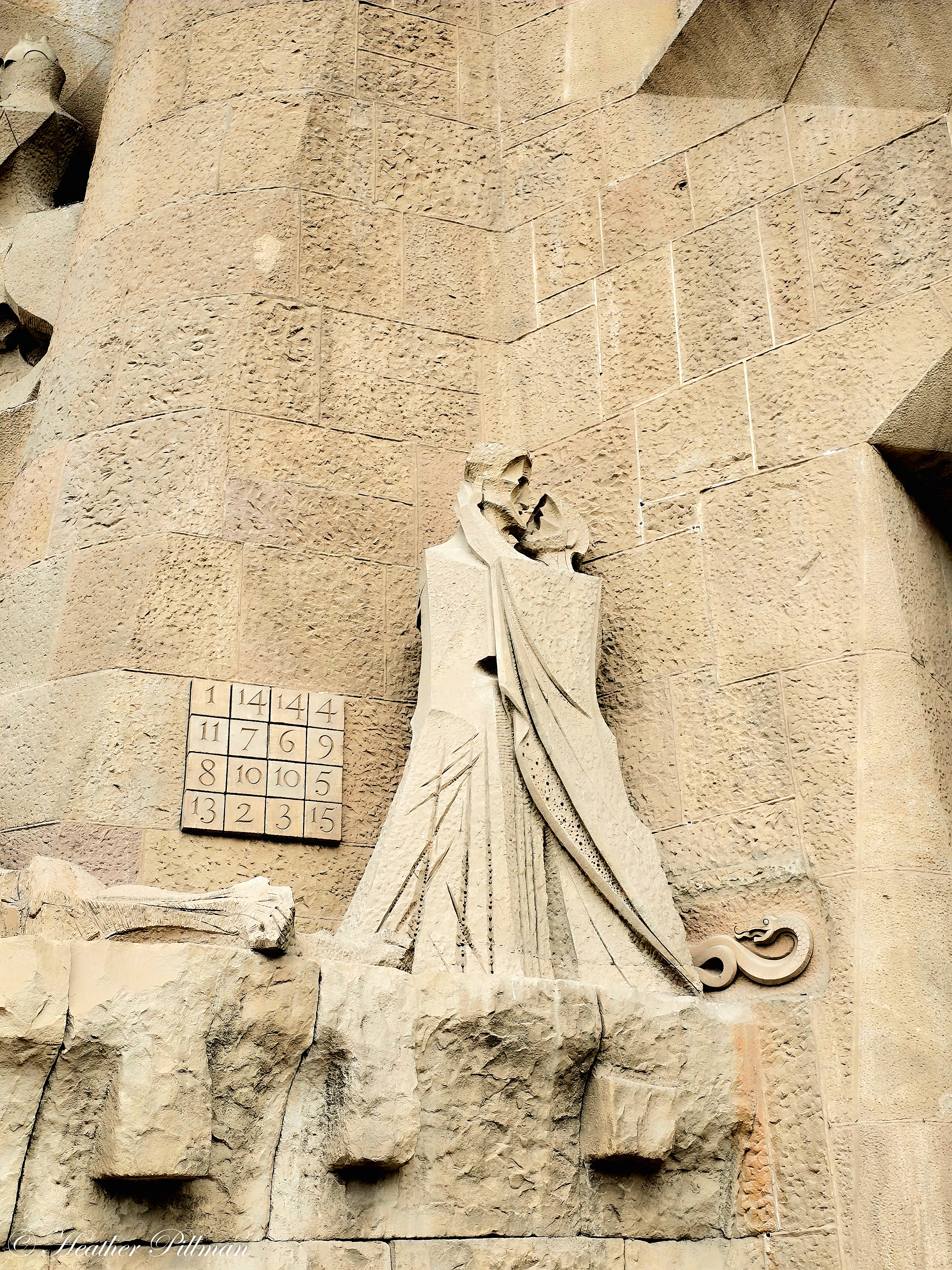
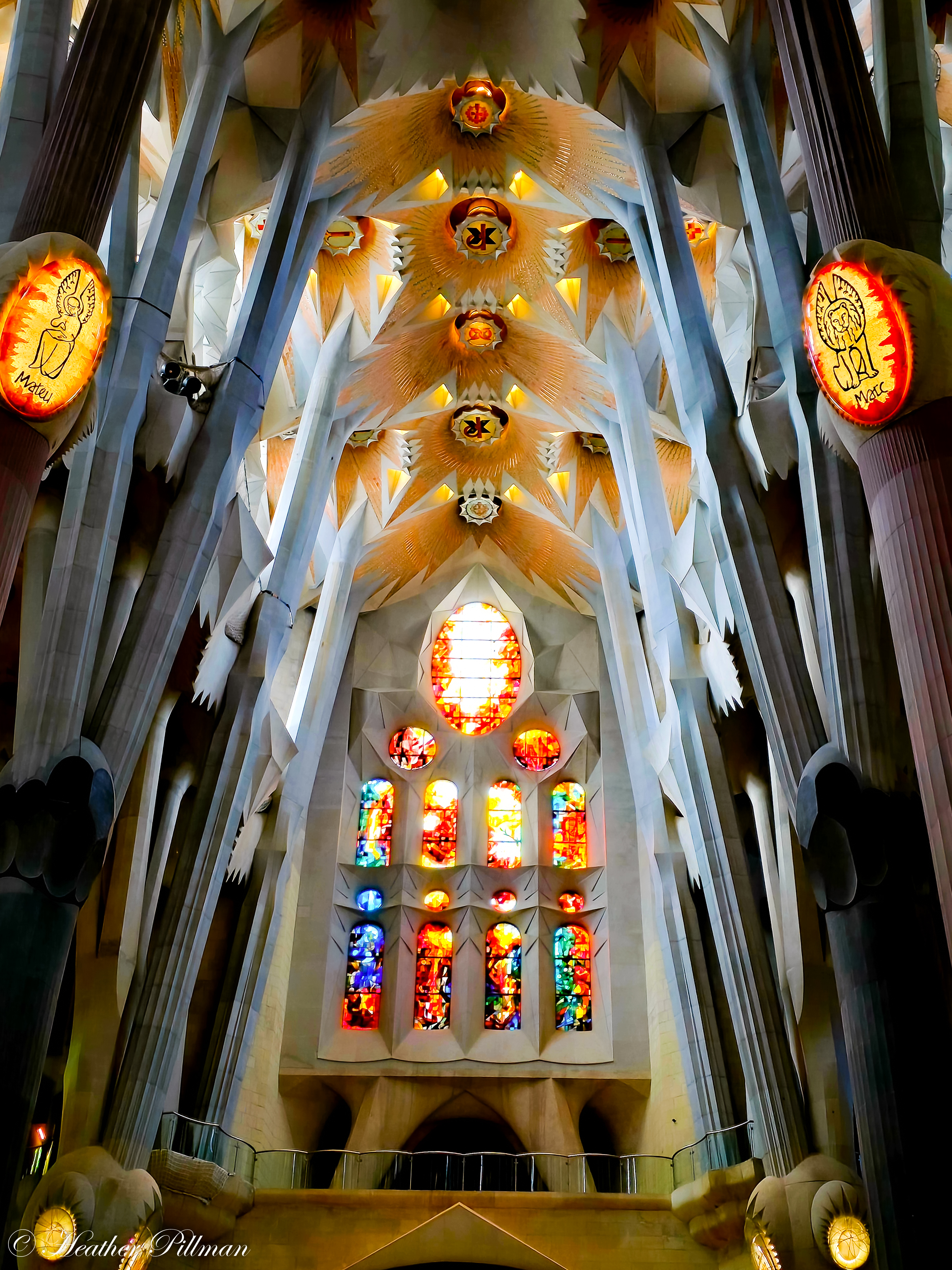
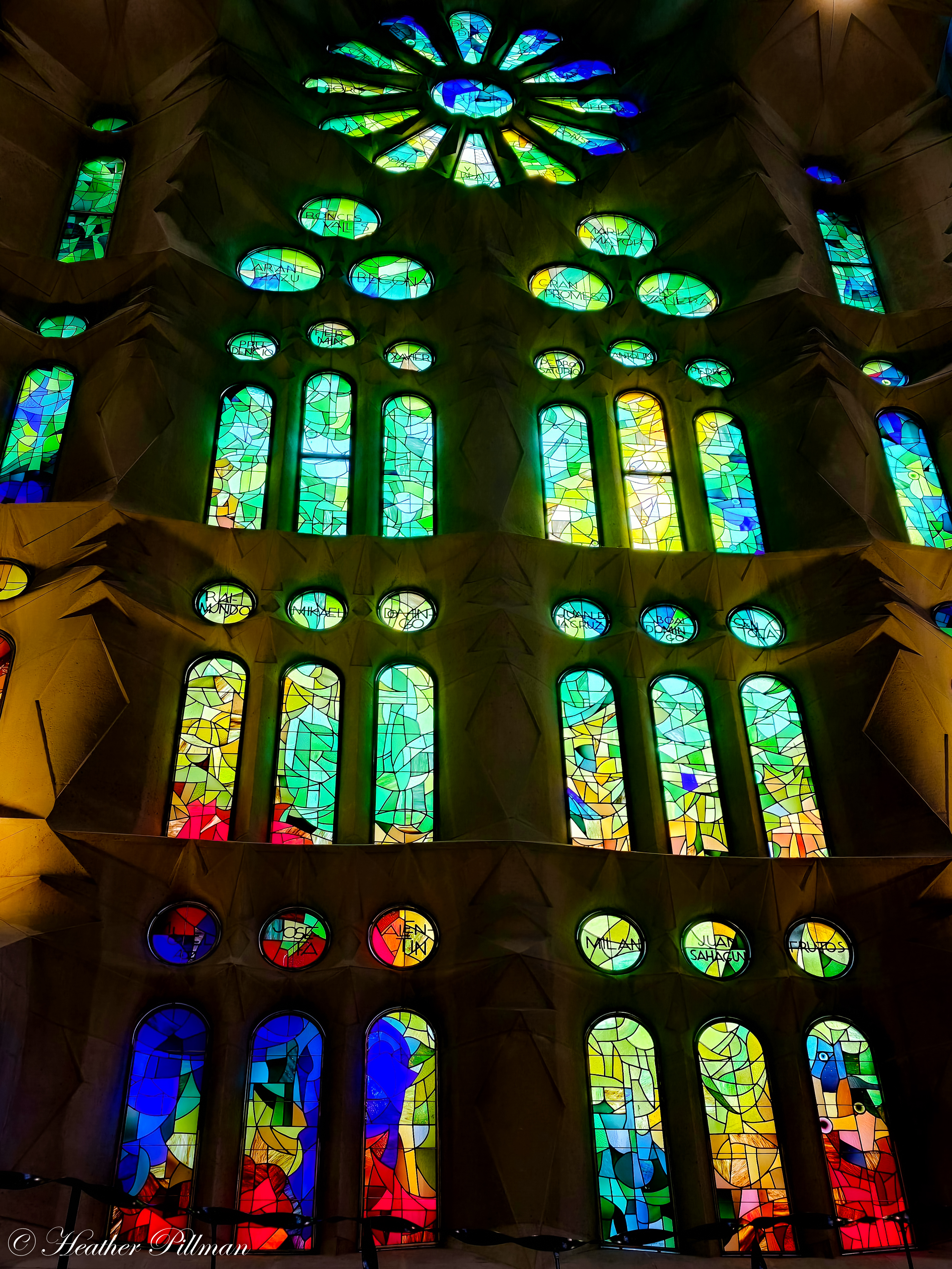
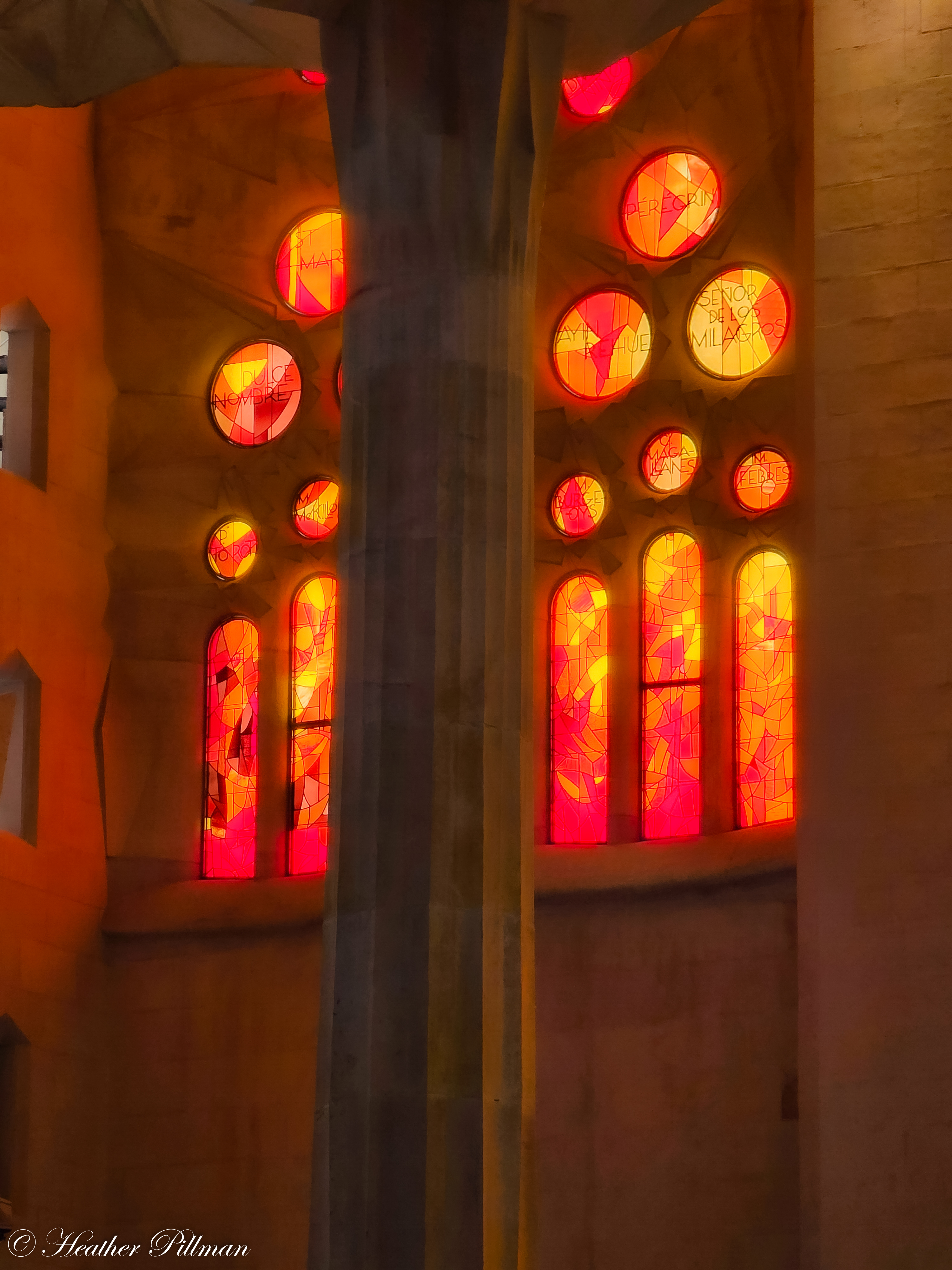
Entering the church, you are immediately faced with its size. The stained glass and the light it reflects is incredible. On the Eastern side of the church, the windows that get the morning light are in blues and greens. Cities located in cooler climates are included in the window designs. The Western side of the church features cities in warmer climates, reflected by the reds, oranges, and yellows that catch the afternoon light. Tall columns inside the church reflect Gaudí’s fixation with nature. The columns do not extend to the ceiling completely straight; instead they all lean slightly to one side or another just as trees would.
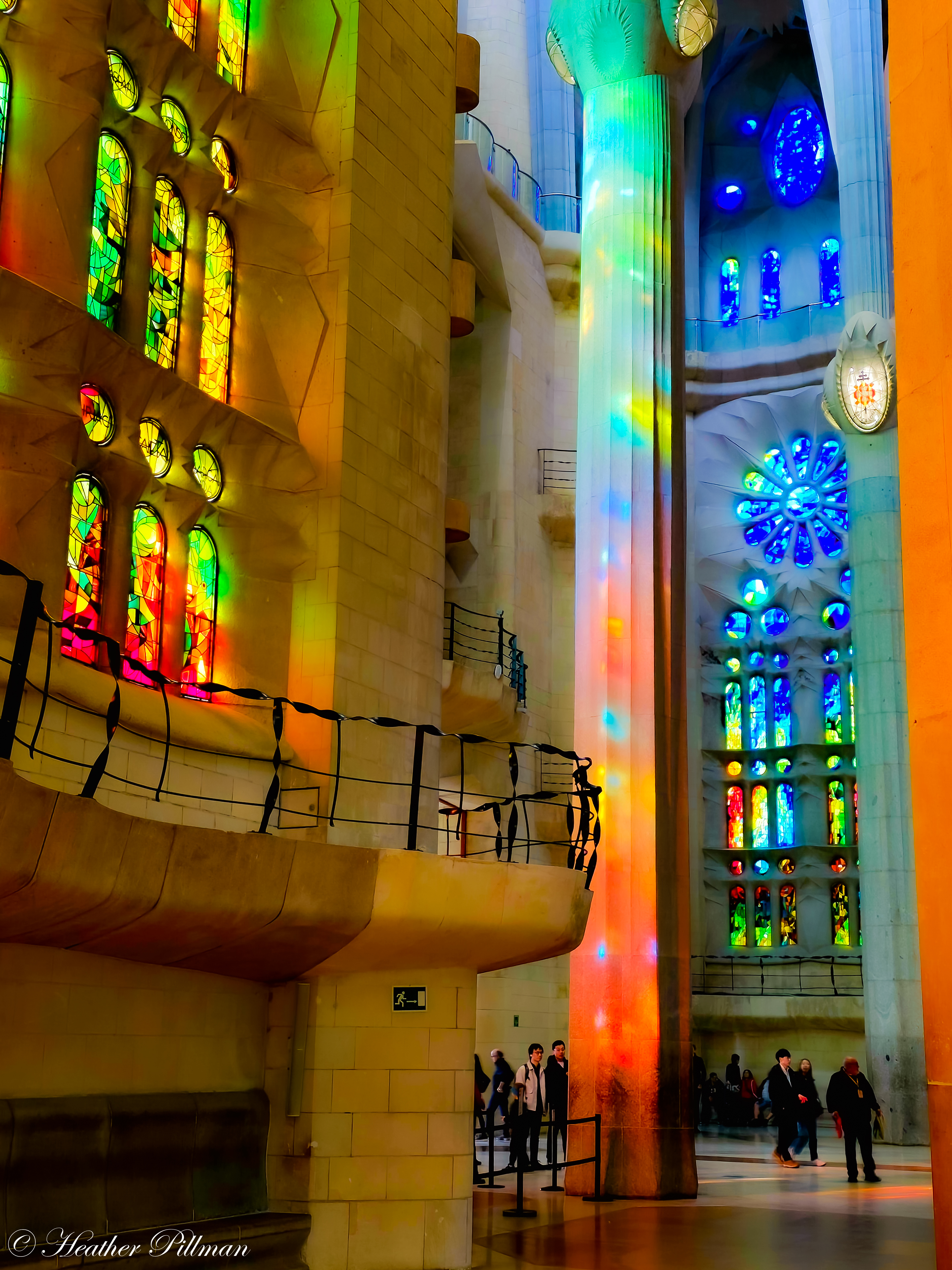
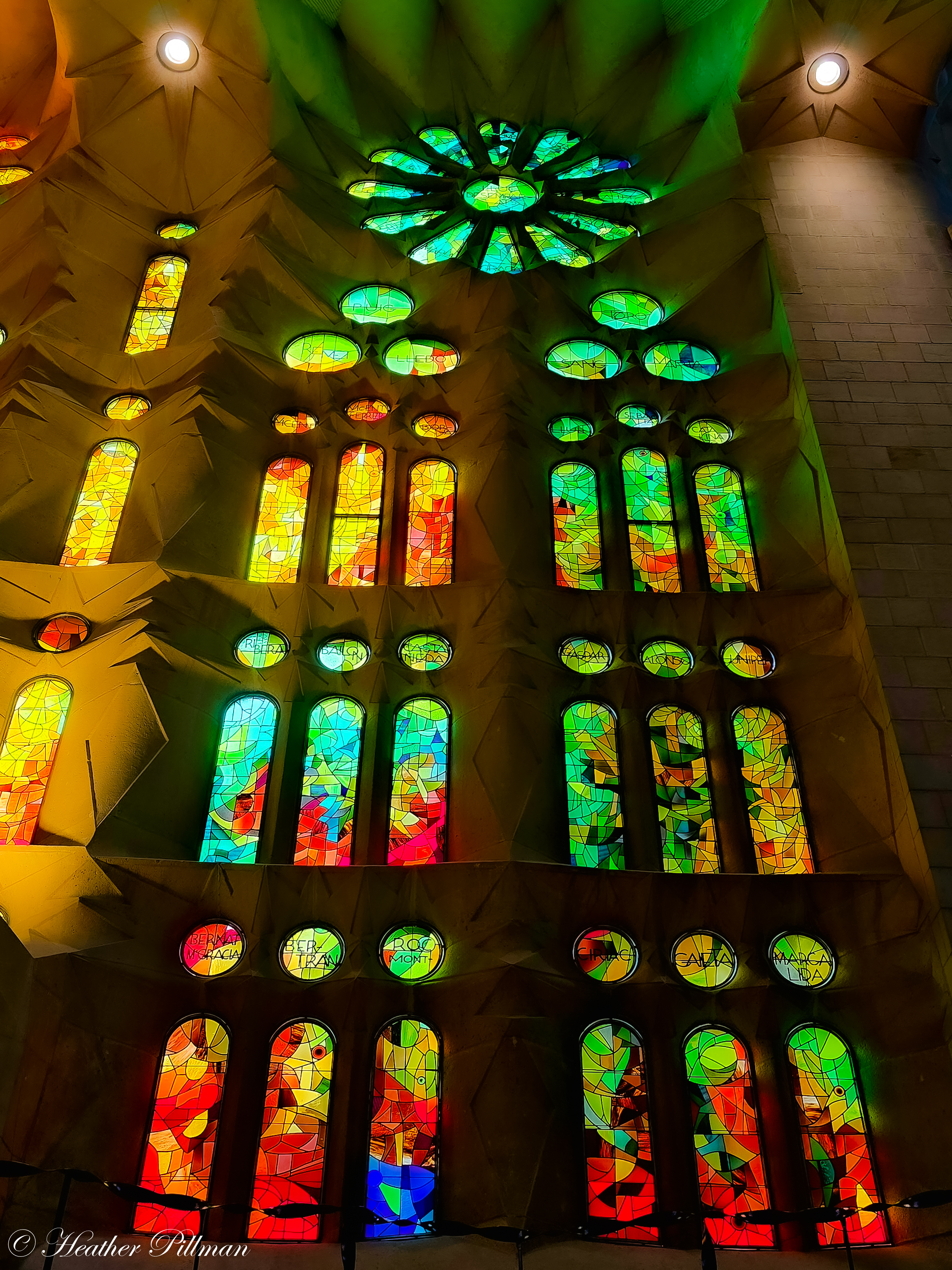
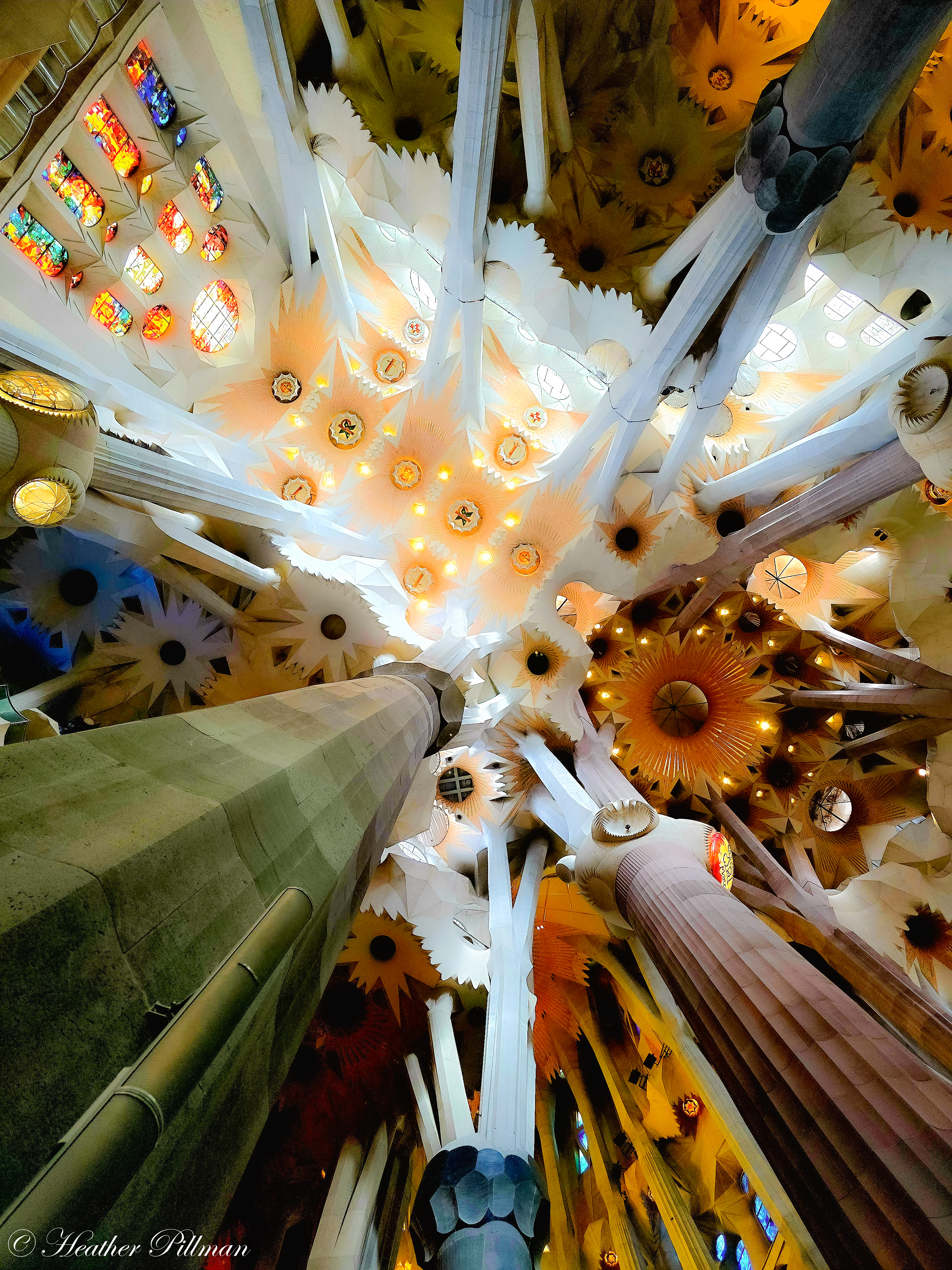
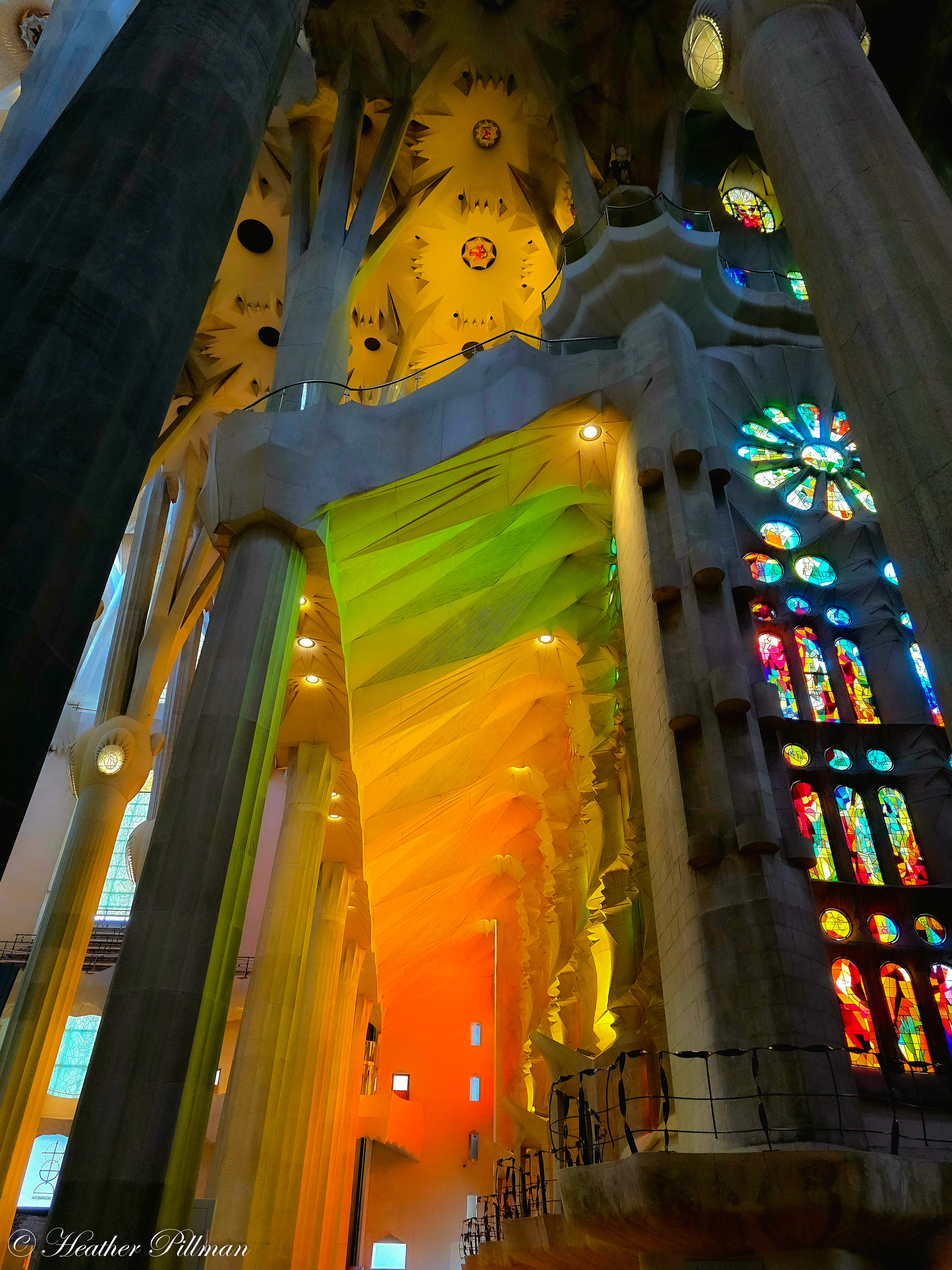
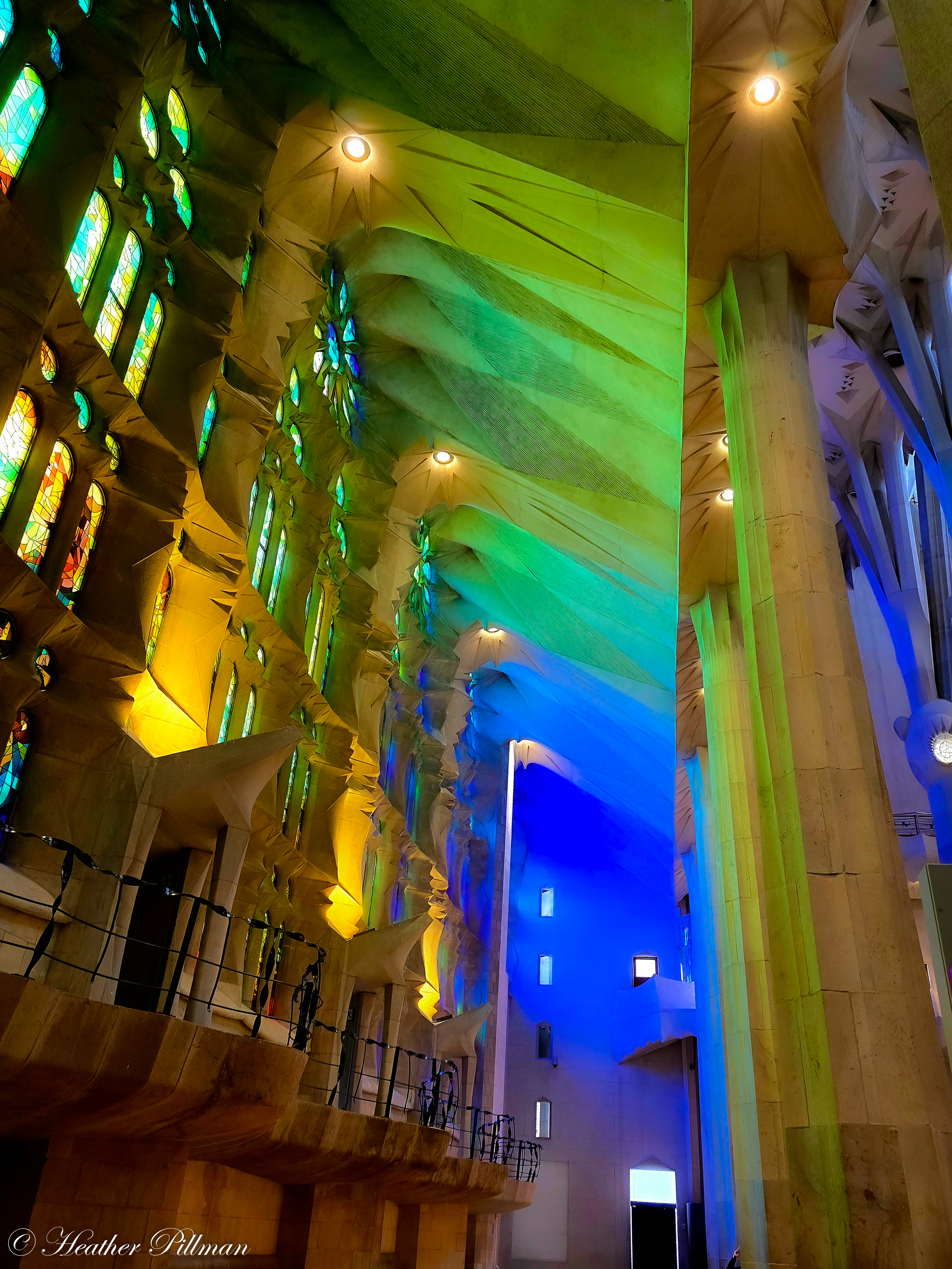
Sagrada Familia was the busiest place we visited. If you don’t feel like walking there, there is an adjacent subway stop. Book your tickets well in advance and mind your belongings. We didn’t experience any trouble, but Barcelona is home to next level pickpockets. A kind waiter would later remind us not to set our bags or phones down on the table or adjacent chairs as someone’s bag had just been taken. A good crossbody bag is the easiest way to keep things safe. I also purchased a crossbody strap for my phone which I’m not mad about. It allowed me to have my phone handy without worrying about it walking off.
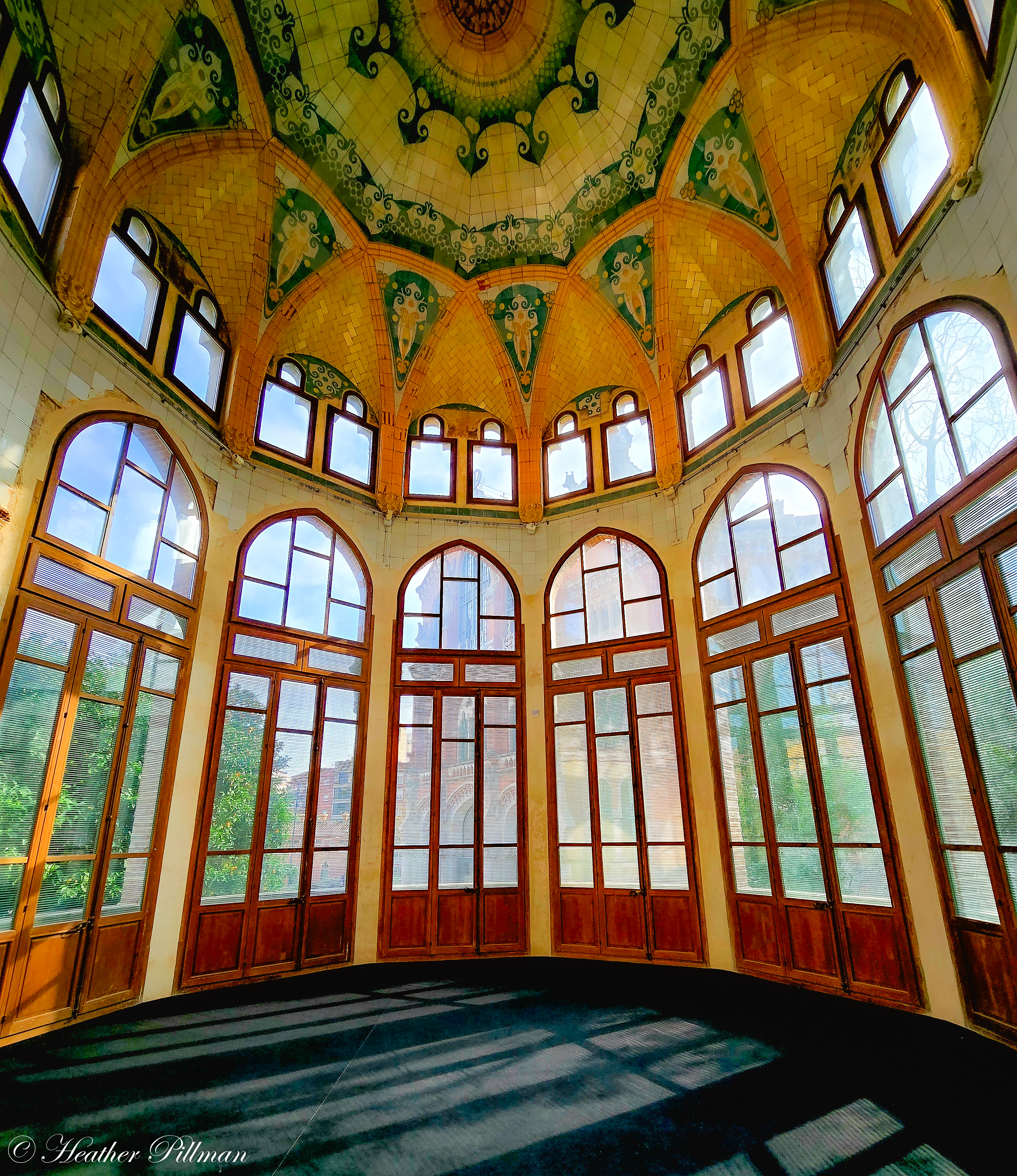
From Sagrada Familia, we rode one more stop, and walked a block to see what turned out to be my favorite spot in Barcelona, the Hospital Sant Pau. A terrific example of Art Nouveau, the hospital was built in 1902 (over the site of an older hospital) and takes up an entire city block.
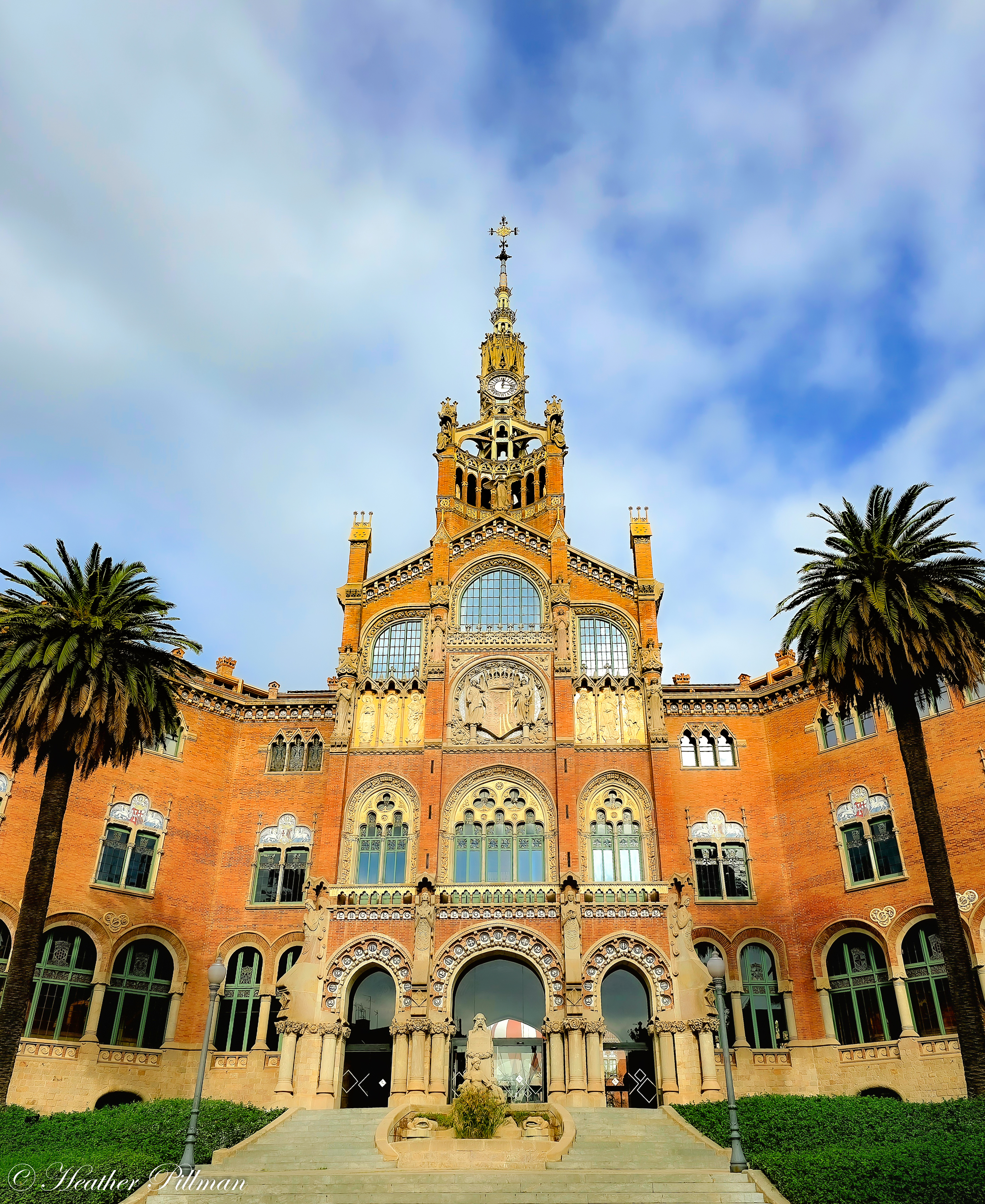
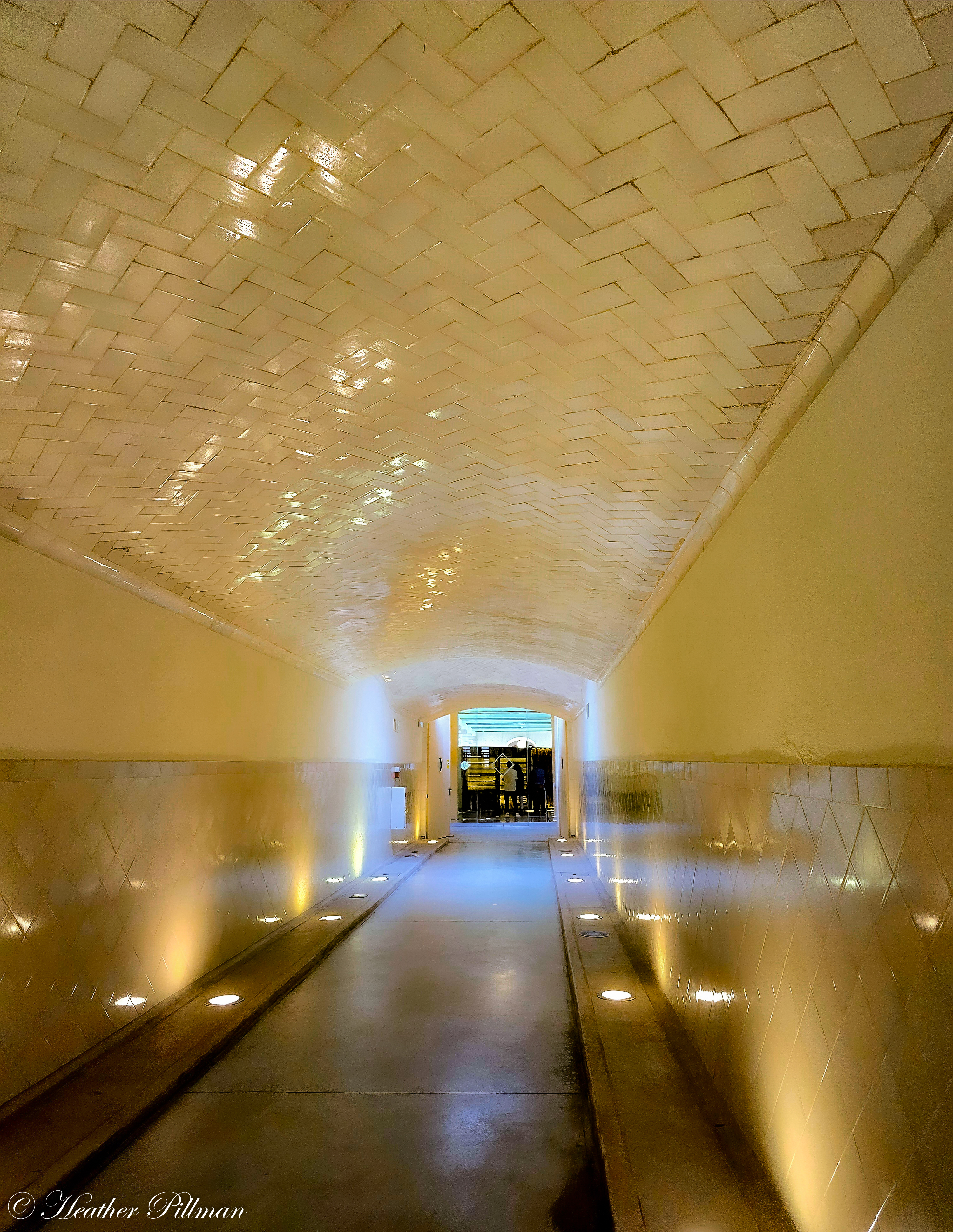
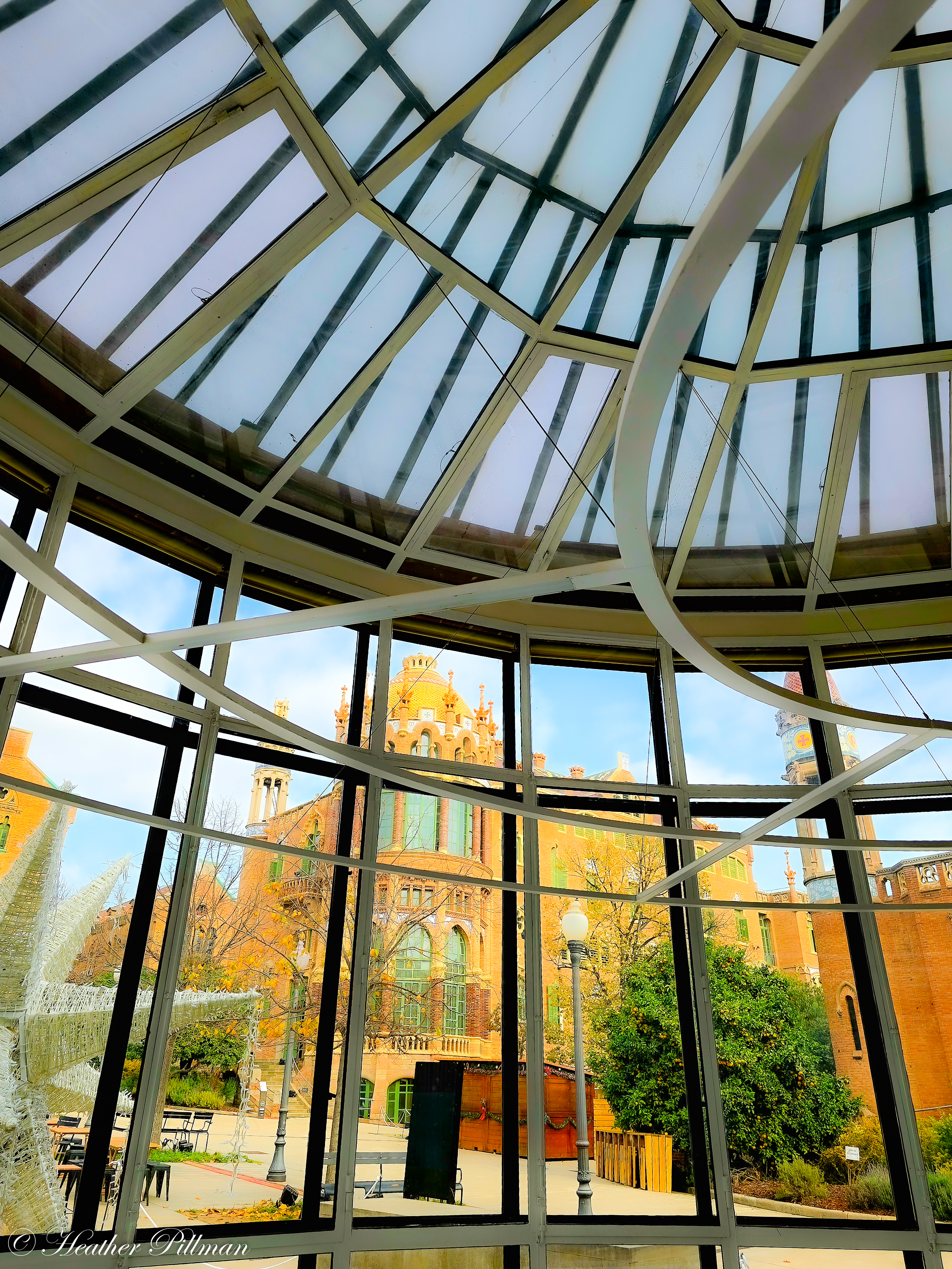
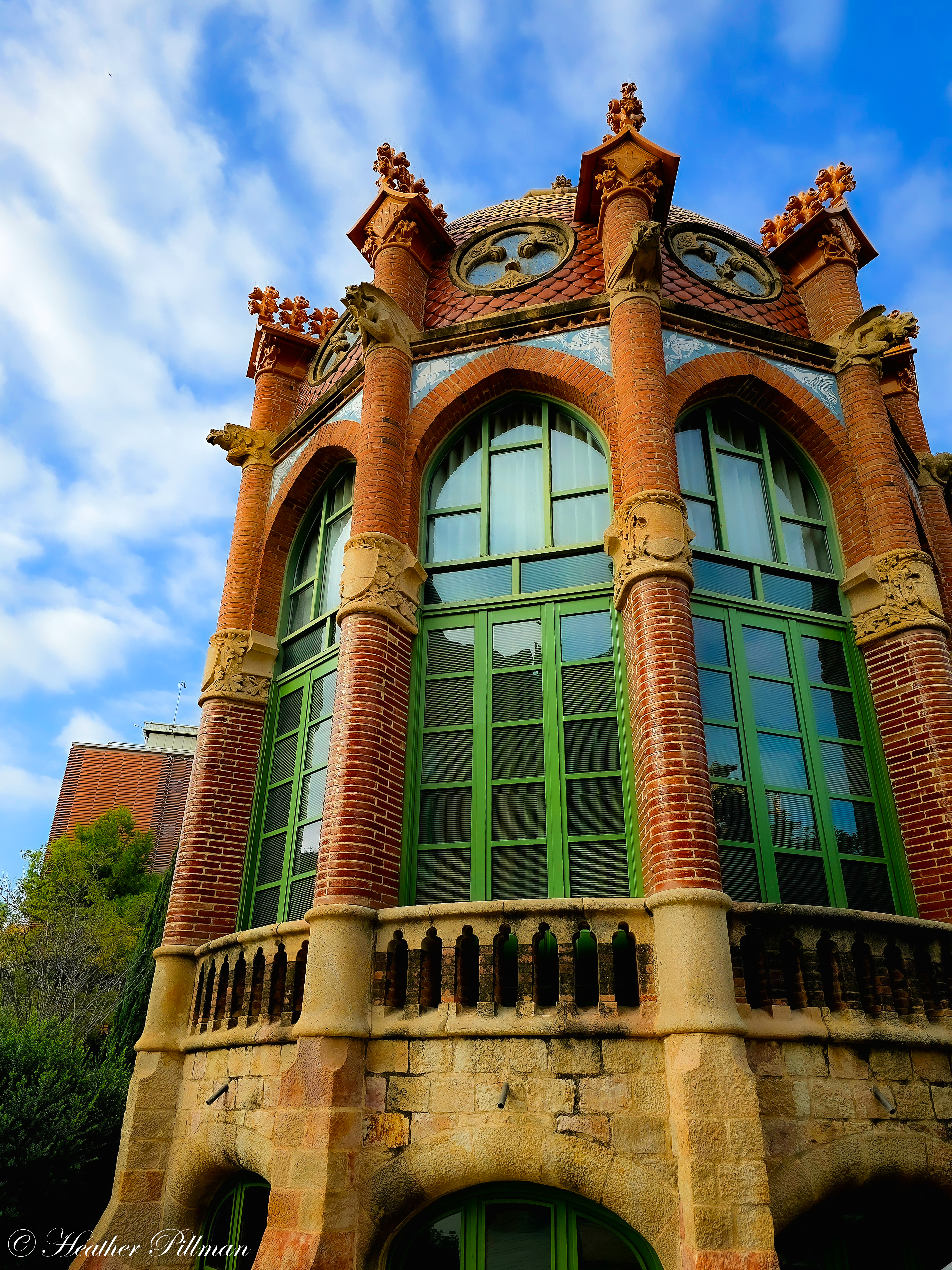
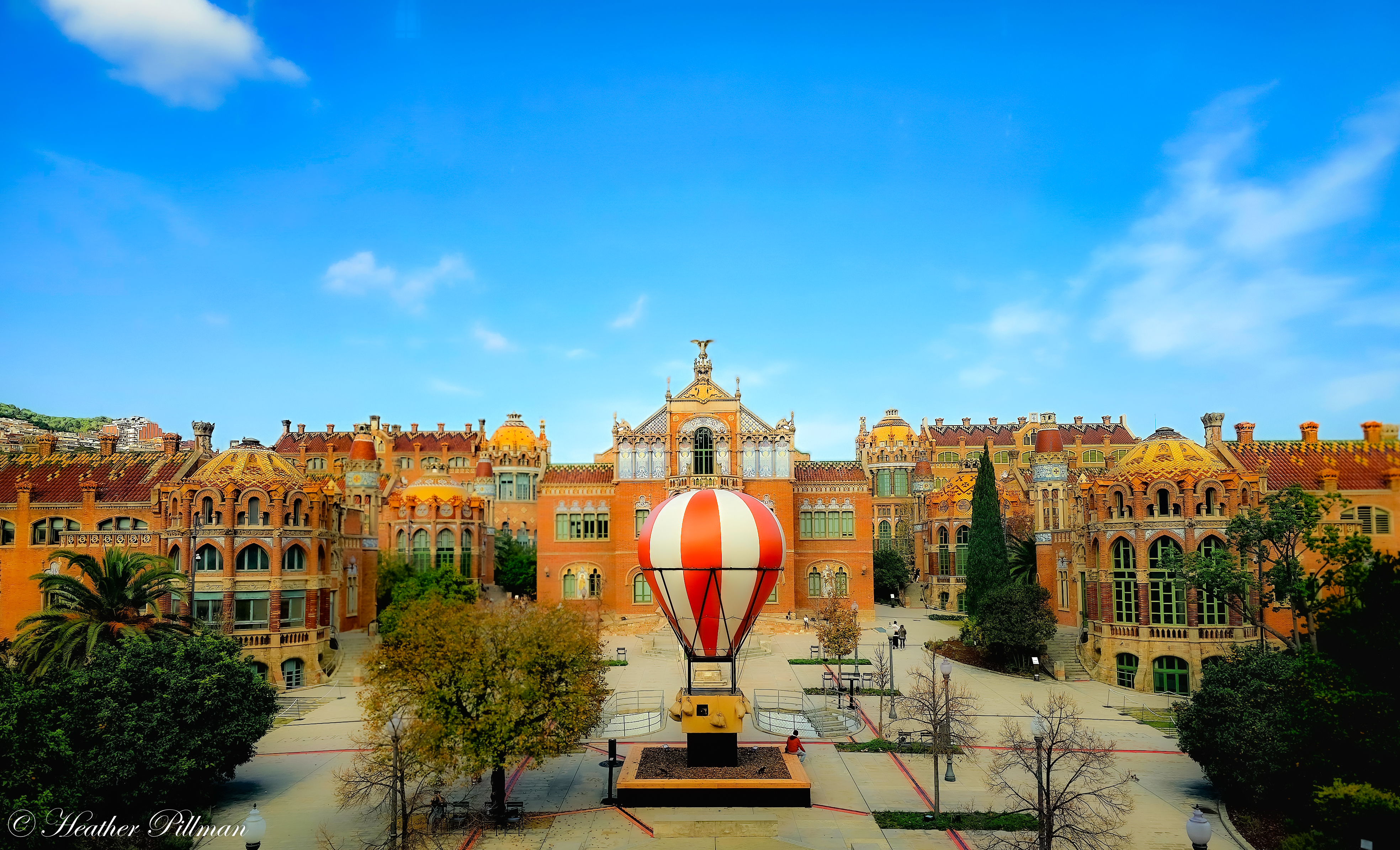
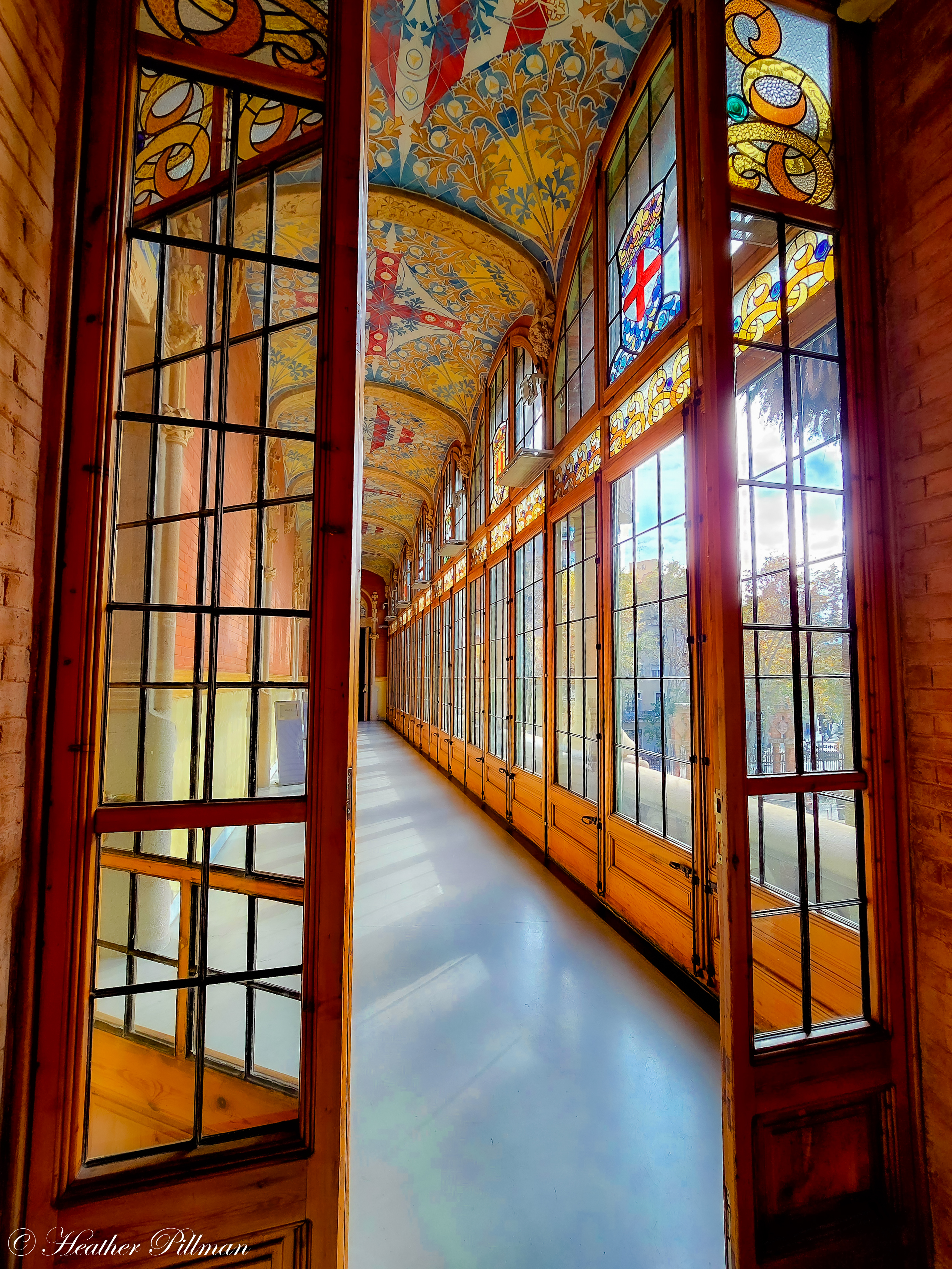
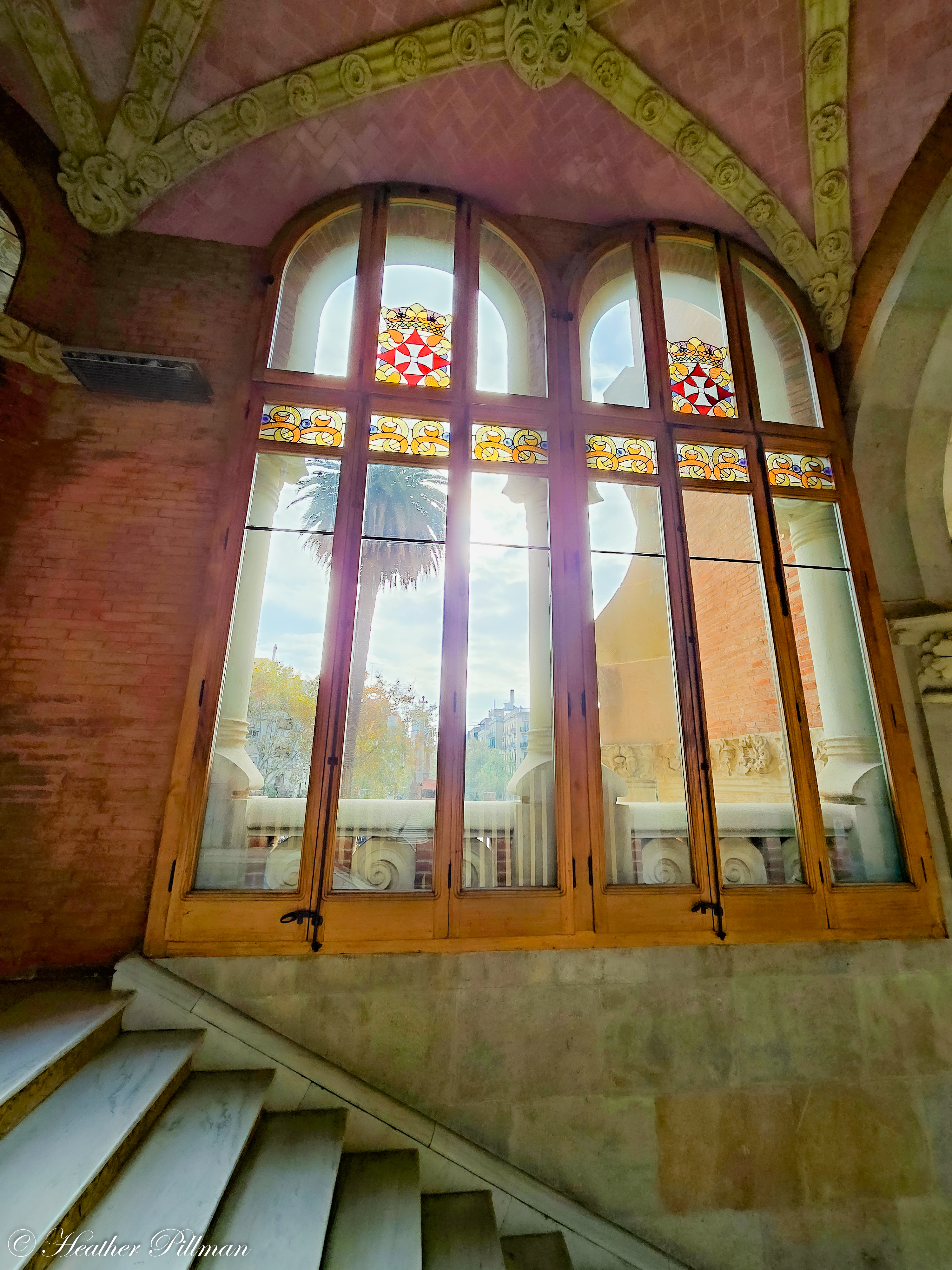
The environment was created to be relaxing and looks like a resort. The grounds are lovely and the buildings that have been restored highlight the beautiful tiles, ceilings and stained glass windows. A few buildings are still waiting to be restored. This was a pleasant (and much less crowded) place to stroll and admire the architecture. The hospital is yet another UNESCO site in Barcelona and is well worth a visit.

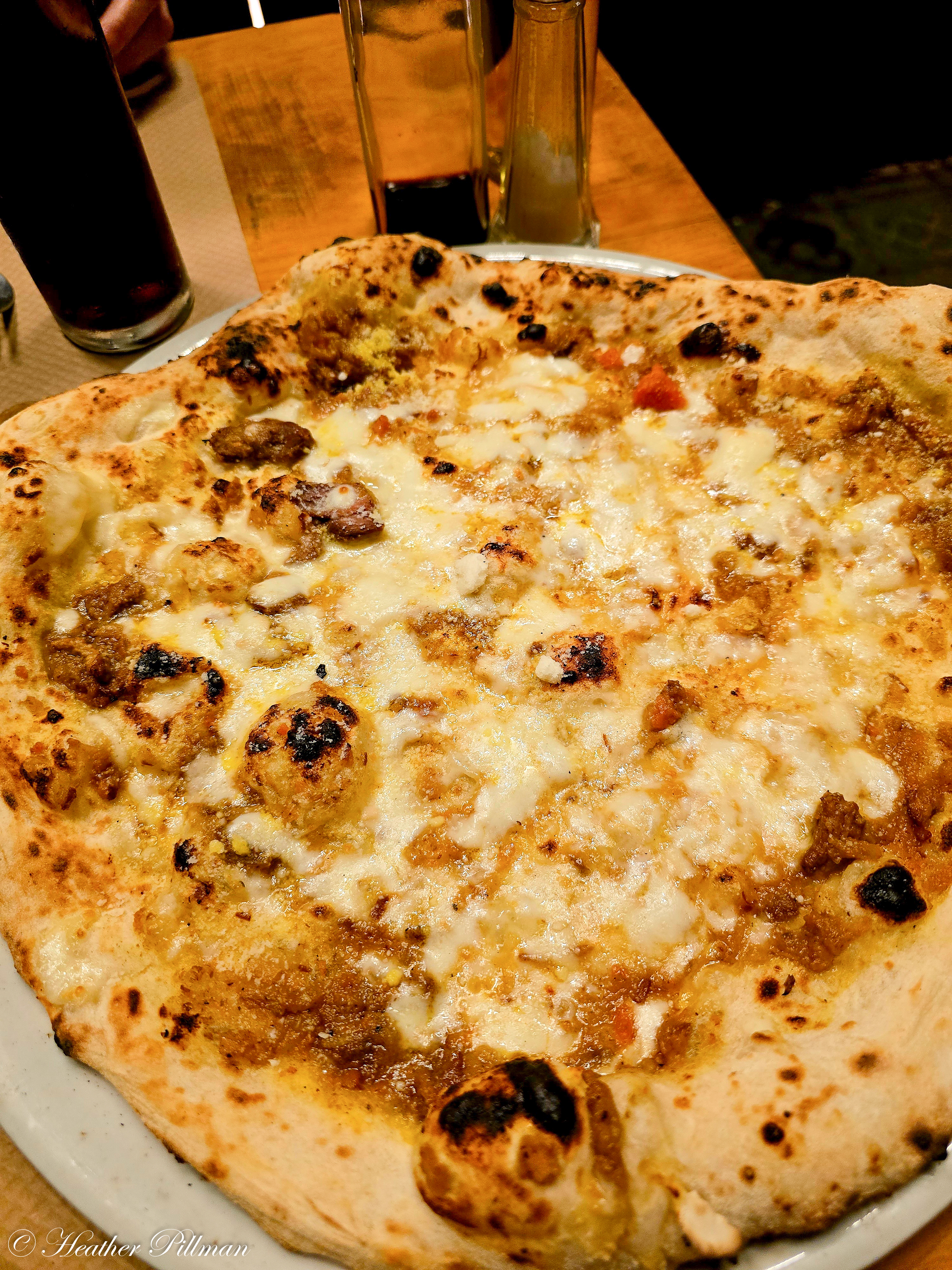
After three long days of walking and sightseeing, we decided to stick close to the hotel for dinner. We enjoyed a salad and pizza (winner of the 2024 Pizzafest!) at a sidewalk cafe before our last sleep in Spain.
Monday morning, it was back to a chaotic Barcelona airport for flights home. Barcelona was the perfect city for me to get a footprint in Spain and I’m looking forward to planning some time to visit some other spots in the country.
Want to see more of my photos from Barcelona? Visit me on Flickr: https://flic.kr/s/aHBqjBUPBj
 The Travels and Misadventures of Miss HeatherLynnP